






























The Small Changes That Make a Home Feel Genuinely Safer

There is a quiet shift in the way people think about home security. Rather than treating it as one big project, more homeowners are making small, practical upgrades that build on each other over time. The result is a home that feels calmer and is noticeably harder to break into.
Whether you rent or own, the principles are the same: make the property look cared for, make entry points harder to tamper with, and make it obvious someone is paying attention.

Start With the Front of the House
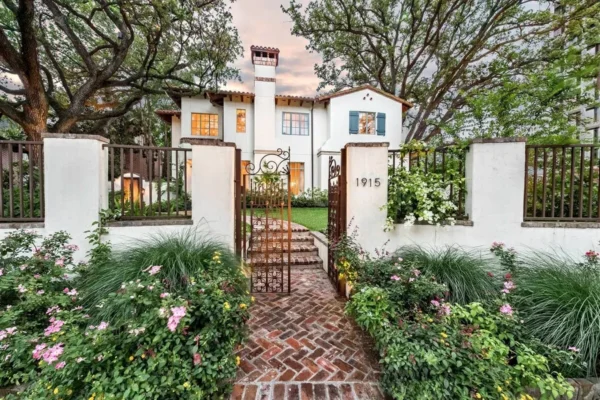
The front of a home tells a story. Overgrown hedges, a broken gate, or post piling up all signal that nobody is watching. Tidy boundaries, working outdoor lights, and a well-kept door do the opposite. Motion-activated lighting is one of the cheapest and most effective upgrades, since opportunistic intruders prefer to stay in the shadows.
Smart doorbells are another easy win. They log who approaches the door and send footage to a phone, even when the house is empty. Pairing a doorbell camera with professional intruder alarm installers essex or equivalent specialists elsewhere creates a layered system where each element supports the next.
Think About Windows, Not Just Doors
Home Office guidance has long pointed out that a significant share of break-ins happen through ground-floor windows rather than front doors. Yet windows are often overlooked.
A few simple upgrades are worth considering:


- Locking handles on every opening window, including upstairs
- Laminated or toughened glass on exposed ground-floor panes
- Solid interior shutters, which add a physical barrier and block the view inside after dark
- Window film, which holds glass together if it is struck
Interior plantation shutters have become one of the more popular window treatments in UK homes in recent years. Solid panel and full-height styles make it harder to see inside, removing one of the things opportunistic thieves rely on most.
Light and Routine Do More Than Locks
Even the best locks can be undermined by predictable routines. A home that goes dark at the same time each evening is easy to read from the outside. Smart plugs and timer switches are inexpensive and let lamps come on and off at varied times, mimicking normal activity.
It is also worth being careful about what gets shared online. Posting a holiday countdown or tagging a real-time location gives useful information away. A sensible rule is to share the trip after returning home.
Layer, Don’t Load Up
Security experts often talk about layered defence. No single lock or camera will stop a determined intruder, but a well-layered home takes time and noise to break into, which is usually enough. Most burglaries are abandoned within minutes if the target proves too much effort.
A sensible setup might include a visible alarm box, a monitored system inside, multi-point door locks, secure windows with shutters, outdoor lighting, and a camera or two on entry points. For households in higher-risk areas, qualified intruder alarm installers essex and similar regional providers can tie everything together.
Don’t Forget the Basics
For all the talk of smart technology, the most common entry methods are still low-tech. Doors on the latch, spare keys under plant pots, unlocked side gates, and ladders left in the garden all feature regularly in police reports. A five-minute walk around the house each evening catches more problems than any app will.
Home security is less about any single gadget and more about small layers that work together. When they do, the result is a house that simply feels at ease.