















From Quiet Coasts to Remote Wildlife: A Nature Lovers Guide to Exploring the UK’s Hidden Escapes


The UK is full of beautiful national parks and stunning coastal paths, but why not go beyond these well-trodden tourists routes and discover some of the country’s quieter corners? If you’re looking for a deeper connection with nature, these hidden gems can offer a truly immersive and peaceful experience. From scenic trails to hidden wildlife spots, here are some lesser-known nature locations in the UK, along with some practical tips to help you explore the outdoors in a meaningful and sustainable way.
Secluded walking trails and open landscapes

The UK’s most memorable walks aren’t necessarily the busiest ones. Venture beyond the Lake District or Snowdonia to explore hidden valleys, lesser-used ridgelines, and tranquil woodland paths. For example, you could head to Northumberland for dramatic views of remote sections of the coastline without the crowds. Over in Wales, the Cambrian Mountains provide vast, open landscapes where you can walk for hours in near without seeing another person. If you want a more structured trip, adventure holidays in the UK are an ideal way to explore these quieter areas through guided walking routes and nature-focused itineraries.
Coastal and countryside spots that no-one knows about
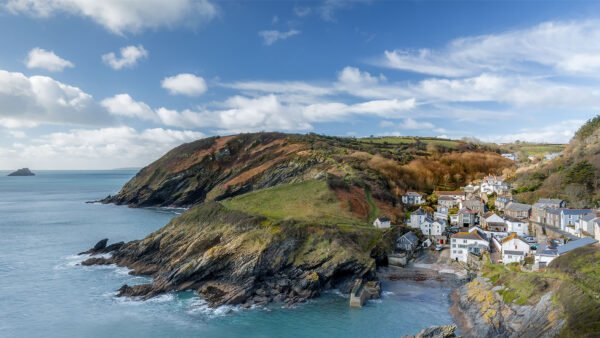
If you want to go beyond Brighton’s beaches and other well-known beauty spots, there are plenty of overlooked treasures along the UK’s coastline and countryside where you can experience natural diversity without the tourist bustle. Consider places like the Roseland Peninsula in Cornwall, or the Suffolk coast – both offer panoramic views, wildlife-filled estuaries, and a slower pace. Further inland, you can visit areas such as the Shropshire Hills or the North York Moors’ lesser-visited corners for classic rolling landscapes, historic villages, and open vistas.
Seals and birdwatching: Observe wildlife in hidden habitats

To encounter wildlife in a more natural setting, look to lesser-known reserves and wetlands. These areas are home to a range of species, from migratory birds to native mammals. You can spot red kites in rural Wales or watch the seals along the remote shores of Scotland’s Lochbay Islands. It’s best to visit on early in the morning or at dusk, when wildlife is most active. Most importantly, make sure to respect animals and their habitats by keeping a safe distance and following local guidance.
Local and low-impact: How to travel responsibly and sustainably
Natural areas can be fragile, so it’s essential to travel responsibly. Choose public transport or cycling rather than cars where possible, stick to marked paths, and avoid littering. It’s also important to contribute to regional sustainability in small ways – such as by eating at that local independent cafés rather than opting for a chain, or booking rural accommodations. Finally, make sure to bring along reusable water bottles and avoid single-use plastics to limit your impact on the environment.
Discover the UK’s best-kept natural secrets
If you love exploring nature, but could do without the tourist crowds, then go off the beaten path. By exploring the UK’s lesser-known landscapes, you can appreciate a quieter side of the UK’s natural beauty – one that often goes unnoticed.