






























What to Know Before You Choose Bathroom Tiles for Your Home

Selecting tiles for your bathroom goes beyond simple aesthetics—it influences how the space functions, feels, and holds up over time. With such a wide variety of choices, from clean contemporary finishes to more natural, textured designs, knowing where to start can feel overwhelming.
When considering options like bathroom tiles, it’s common to prioritise appearance. However, while style is important, practical aspects should carry equal weight. Factors such as durability, ease of maintenance, and long-term performance all contribute to creating a bathroom that is both attractive and reliable in everyday use.

Understanding the Role of Bathroom Tiles
Bathroom tiles do far more than simply cover walls and floors. They protect surfaces from moisture, enhance hygiene, and contribute to the overall atmosphere of the space.
Unlike other rooms in your home, bathrooms are constantly exposed to humidity and temperature changes. This means the materials you choose must withstand water exposure without warping, staining, or becoming unsafe. Well-chosen bathroom tiles can make cleaning easier, reduce long-term wear, and maintain their appearance even with daily use.
Choosing the Right Material
One of the first decisions to make is the type of tile material. Each material has its own advantages and limitations, so it is important to match your choice to your needs.
Ceramic tiles are a popular option due to their affordability and versatility. They come in a wide range of colours and finishes, making them suitable for both walls and floors.

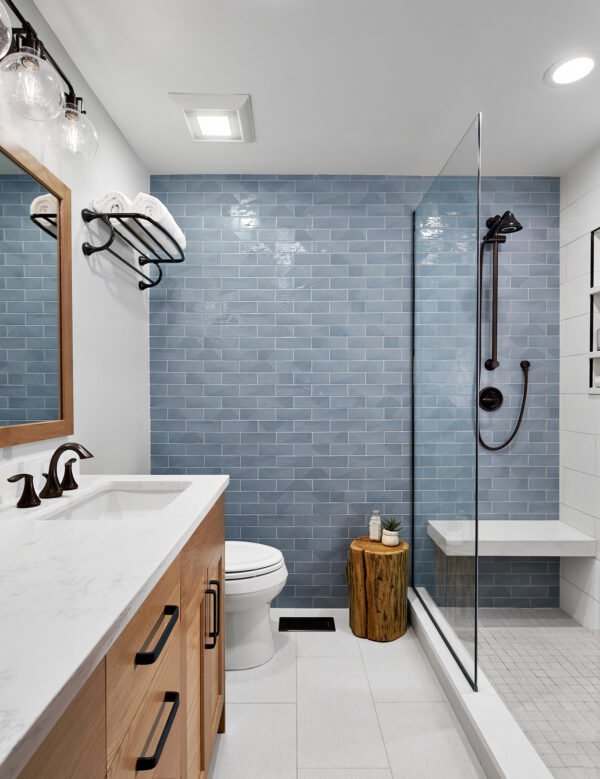
Porcelain tiles are denser and more durable, making them ideal for high-traffic areas or wet zones such as shower floors. They are also less porous, which helps prevent water absorption.
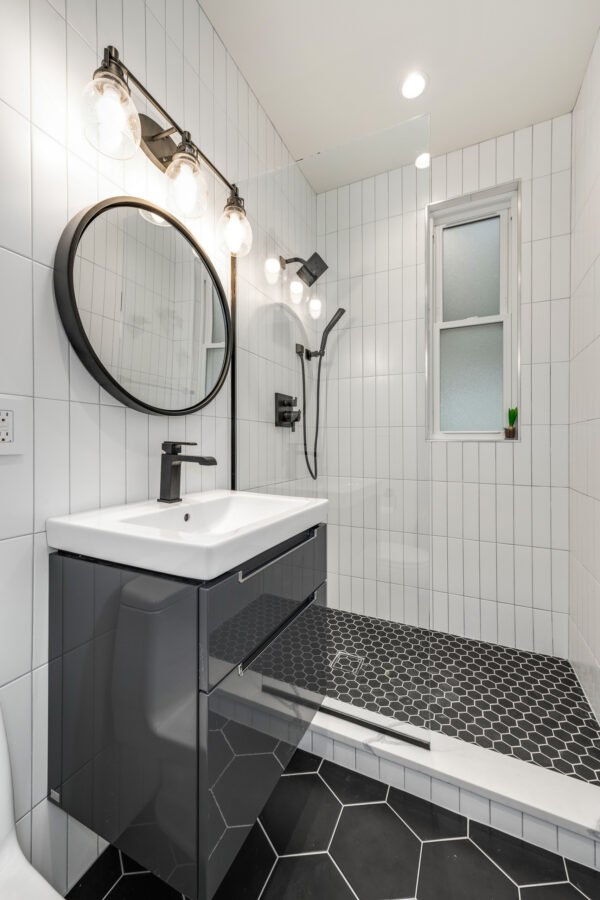
Natural stone tiles, such as marble or slate, offer a distinctive look but require more maintenance. They often need sealing to prevent staining and water damage.
When browsing bathroom tiles, consider how often the space will be used and how much maintenance you are willing to manage.
Balancing Style and Function
It is easy to be drawn to bold patterns or striking colours, but it is important to ensure that your design choices remain practical.
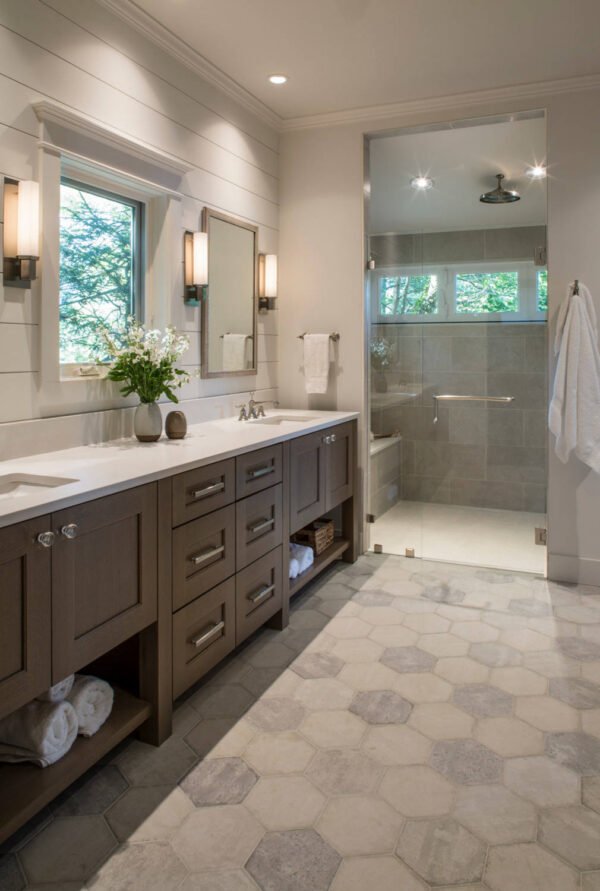
Large-format tiles can make a small bathroom appear more spacious by reducing the number of visible grout lines. On the other hand, smaller tiles can add texture and detail, especially in shower areas or feature walls.
Neutral tones tend to create a calm and timeless look, while darker shades can add depth and contrast. However, darker tiles may show water spots and soap residue more easily, requiring more frequent cleaning.
A balanced approach often works best combine aesthetic appeal with materials that are easy to maintain and suitable for the environment.
Slip Resistance and Safety
Safety is a key consideration, particularly for bathroom flooring. Wet surfaces can quickly become slippery, increasing the risk of accidents.
Tiles designed for flooring typically have a textured or matte finish to improve grip. Glossy tiles, while visually appealing, are better suited for walls rather than floors.
For households with children or older adults, prioritising slip-resistant surfaces can make a significant difference. Always check the tile’s slip rating before making a final decision.
Grout Matters More Than You Think
While tiles often take centre stage, grout plays an equally important role in the final result.
Grout colour can influence the overall look; contrasting grout highlights the tile pattern, while matching grout creates a seamless finish. However, lighter grout tends to show stains more easily, especially in high-use areas.
Proper sealing and maintenance of grout are essential to prevent mould and discolouration. Choosing high-quality grout and applying it correctly can significantly extend the life of your bathroom tiles.
Key Factors to Consider Before Buying

Before finalising your choice, it is helpful to review the essential factors that influence both performance and appearance:
- Water resistance: Ensure the tiles are suitable for wet environments
- Durability: Choose materials that can handle daily use
- Maintenance: Consider how easy the tiles are to clean and maintain
- Size and layout: Think about how tile size affects the perception of space
- Finish: Select a finish that balances style with safety
- Budget: Factor in both material and installation costs
Taking time to evaluate these elements can help you avoid costly changes later.
Planning the Layout
The way tiles are arranged can significantly impact the overall design. Even simple tiles can look striking when laid in an interesting pattern.
Popular layouts include:
- Straight or grid patterns for a clean and classic look
- Herringbone or chevron for a more dynamic effect
- Vertical stacking to make ceilings appear higher
Planning the layout in advance ensures that cuts, edges, and transitions are handled neatly, resulting in a more polished finish.
Maintenance and Longevity
No matter how attractive your tiles are, their long-term appeal depends on proper care.
Regular cleaning prevents the build-up of soap scum, mould, and mineral deposits. Using appropriate cleaning products is important, as harsh chemicals can damage certain finishes or grout.
Porcelain and ceramic tiles generally require minimal maintenance, while natural stone requires more attention, including sealing and gentle cleaning.
Investing in quality materials and maintaining them properly can keep your bathroom looking fresh for years.
Conclusion
Choosing bathroom tiles involves more than selecting a colour or pattern. It requires careful consideration of material, safety, maintenance, and overall design. By taking a balanced approach, you can create a bathroom that is both visually appealing and practical for everyday use.
With thoughtful planning and attention to detail, your tile choices can transform your bathroom into a space that feels comfortable, durable, and well-designed.