




























Top 5 Most Enchanting Destinations for a Spanish Getaway

Choosing where to go in Spain often depends on what kind of surroundings you want to spend time in. Coastal areas bring access to beaches and walking paths, while cities focus more on food, architecture, and everyday life in compact neighbourhoods. There are also places where the landscape itself becomes the main feature. This article brings together five destinations that cover those differences, each one offering a clear take on what a Spanish getaway can look like.
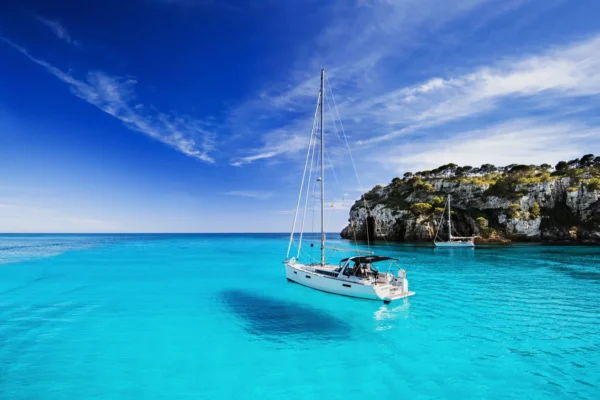
Secluded Turquoise Bays and Rugged Coastlines in Menorca

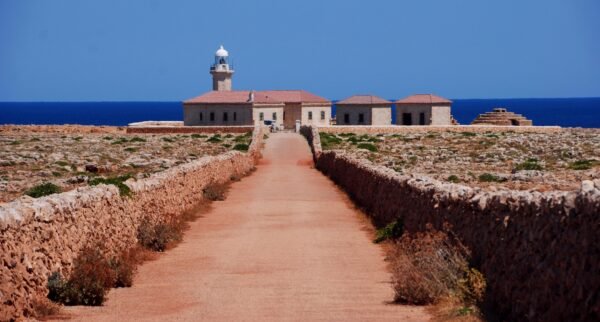
Menorca feels quieter once you get away from the main towns. The coastline is where most people spend their time, especially along the Camí de Cavalls, a historic path that loops around the island. Sections near Cala Mitjana and Cala Macarella are busy by late morning, but if you head out earlier, you’ll catch clear water and empty stretches of sand. The cliffs around Cala Pregonda on the north coast look completely different, with reddish rock and fewer trees. It’s worth driving out there just to see how much the landscape changes within the same island.
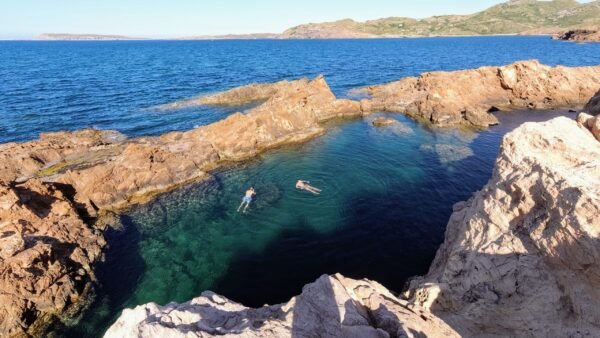
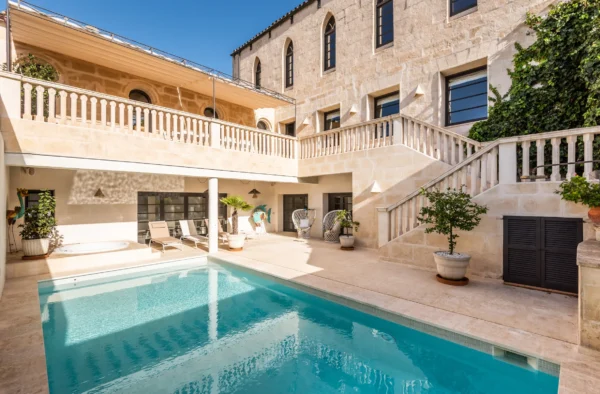
Staying just outside Ciutadella or Mahón is often a better option, particularly if you’re planning to explore several coves over a few days. Many of the best villas in Menorca are set slightly inland or close to quieter spots such as Cala en Porter or Binibèquer Vell, offering a more relaxed base away from the busiest areas. These properties usually have good access to coastal roads, with convenient parking near trailheads or smaller beaches that don’t always appear on standard maps.
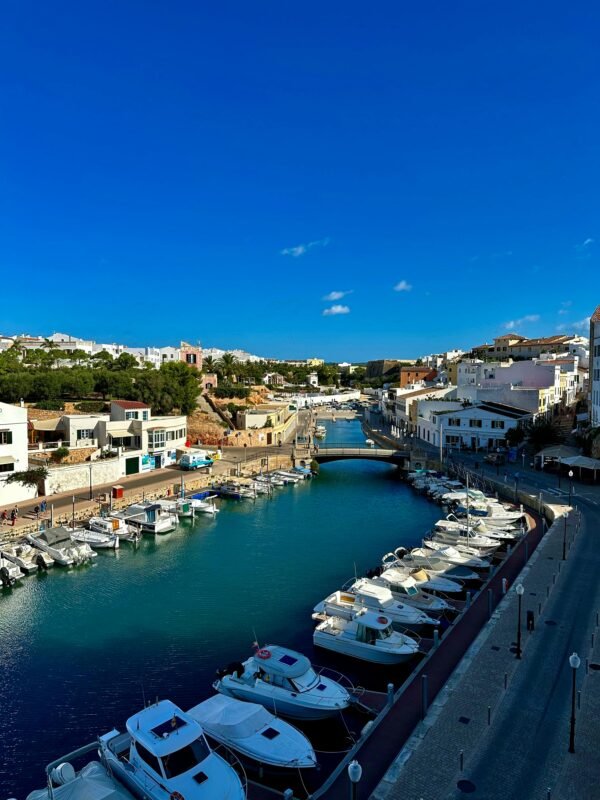
Back in Ciutadella, the old quarter is compact and easy to explore on foot. Narrow streets lead into Plaça des Born, where local life begins to pick up in the evening. Over in Mahón, the harbour stretches for severbal kilometres, lined with low buildings and boat docks.
Renowned Gastronomy and Urban Elegance in San Sebastián
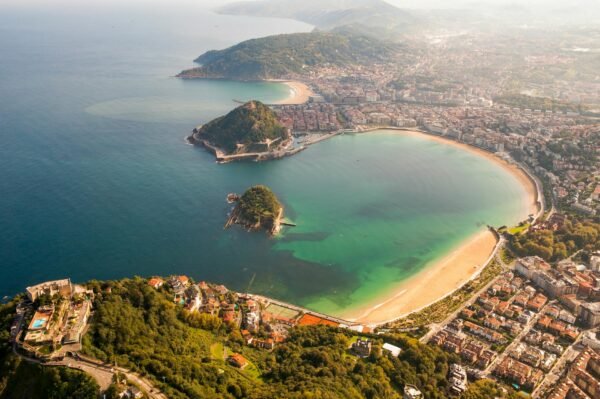
San Sebastián centres around La Concha Bay, and most visitors start along the promenade that curves from the old town to Ondarreta Beach. Early in the day, you’ll see locals walking along Paseo de la Concha, while the water stays calm and shallow near the shore. The climb up Monte Urgull gives a full view back across the bay, with the old town’s rooftops packed tightly below. On the opposite side, Monte Igueldo looks back towards the same stretch of coastline from a higher angle, with a small funicular running up the hillside.
The Parte Vieja is where things get busier in the evening. Streets like Calle 31 de Agosto and Calle Mayor fill up quickly, and most places serve small plates at the counter. You don’t need a plan here. Walking between a few spots works fine, especially if you stay within a few streets and keep things simple. The covered market at Mercado de la Bretxa is worth a visit during the day, particularly for local produce and fresh seafood.



Away from the old town, areas such as Gros feel more local. Zurriola Beach draws surfers, and the atmosphere is more relaxed than La Concha. The Kursaal building stands out along the river, its glass façade facing the sea. It hosts events throughout the year, including a film festival, but even on an ordinary day, it anchors that side of the city.
Historic Moorish Palaces and Fragrant Orange Groves in Seville

Seville’s layout takes a bit of time to understand, especially around the old Jewish quarter of Santa Cruz. Streets narrow suddenly, and it’s easy to lose track of direction near places like Calle Agua or Plaza de Doña Elvira. The Real Alcázar sits just beyond, with detailed tilework, gardens, and shaded walkways that stay cool even in warmer months. Entry queues build early, so it’s worth getting there close to opening time.
The Cathedral and Giralda tower dominate the centre, and from the top, you’ll see how tightly packed the rooftops are. From there, it’s a short walk to Archivo de Indias and down towards the Guadalquivir River. The Torre del Oro stands along the riverbank, and across the water, Triana has a different feel. Calle San Jorge and the surrounding streets are known for ceramic workshops and small studios.

Orange trees line many of the streets, especially near Plaza Nueva and along Avenida de la Constitución. In spring, the scent carries across entire blocks. Parque de María Luisa offers more space, with tiled benches and shaded paths leading to Plaza de España. It’s a good place to step away from the crowds for a while without leaving the city.
Avant-Garde Architectural Marvels and Cultural Landmarks in Bilbao
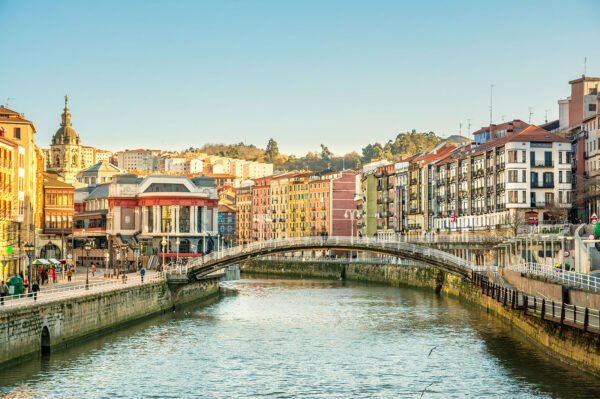
Bilbao has changed a lot over the years, and the riverfront shows that clearly. The Guggenheim Museum draws most of the attention, with its curved exterior sitting right along the Nervión River. The area around it is easy to walk in, with bridges like Zubizuri connecting both sides. The museum itself can take a few hours, but even just seeing the building from different angles is worth the time.

The old town, known as Casco Viejo, is where you’ll find a more traditional layout. The Siete Calles area is made up of narrow streets that date back centuries, and Plaza Nueva sits at the centre, surrounded by arcades. Mercado de la Ribera runs along the river and stretches across multiple levels, with sections for fresh produce, fish, and local goods.
Gran Vía de Don Diego López de Haro cuts through the newer part of the city, lined with shops and wider pavements. It leads to Moyúa Square, which serves as a hub for several major streets. Bilbao isn’t particularly large. You can move between these areas easily on foot or by tram. The contrast between the older quarter and the newer developments is visible as you move through the city.
Pristine Volcanic Landscapes and High-Altitude Vistas in Tenerife
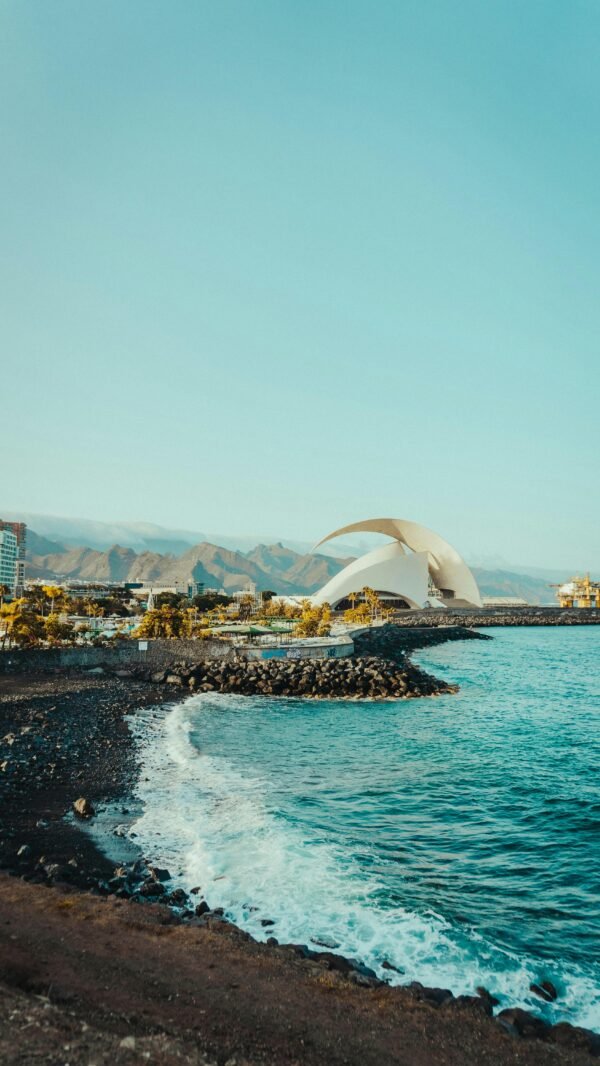
Tenerife’s atmosphere varies depending on where you stay. The north, around La Laguna and Puerto de la Cruz, has more greenery and older buildings, while the south leans towards drier terrain and resort towns. Teide National Park sits at the centre of the island, and the drive up passes through several climate zones. By the time you reach the plateau, the landscape opens out into volcanic rock formations and wide, exposed views.
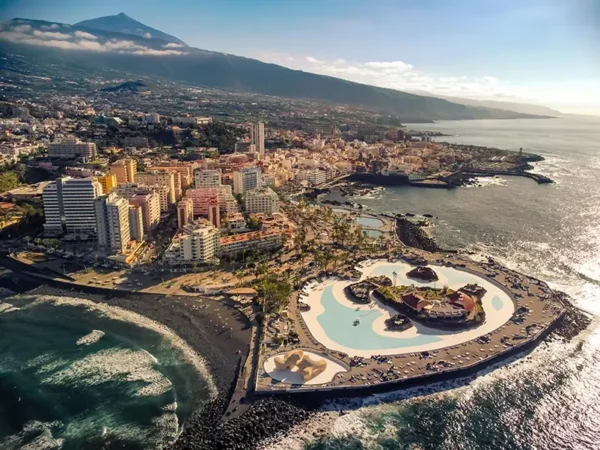
Mount Teide itself is the highest point in Spain, and you can take a cable car on the way up. From the upper station, walking trails lead across the slopes, with views that stretch across the island when the sky is clear. Down at lower levels, places like Roques de García offer shorter walks with distinct rock formations set against the mountain backdrop.
Coastal towns vary quite a bit. In the north, streets in La Orotava feature traditional wooden balconies and quiet squares. In the south, areas near Costa Adeje have long promenades and access to beaches like Playa del Duque. It’s worth spending time in both parts of the island if possible, just to see how much it changes over short distances.
Which Spanish escape inspires you?
Each of these destinations settles into its own pattern once you arrive. Menorca keeps you moving between coves and coastal paths. San Sebastián builds around its old town and beachfront. Seville centres on its historic core and shaded streets. Bilbao shifts between its riverfront and older districts. Tenerife opens out as you head inland, particularly around Teide National Park. There isn’t a single way to approach a trip to Spain, and that’s what makes choosing a destination the main decision.