





























How Often Should You Wash Your Bedding? Expert Reveals the Hygiene Rules You’re Probably Breaking

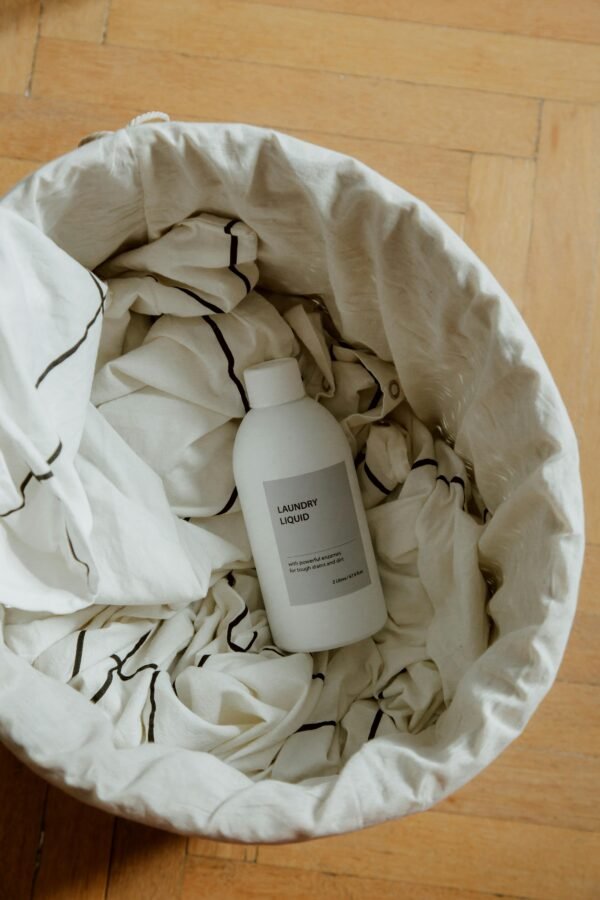
We spend roughly a third of our lives tucked up in bed, yet many of us may not realise that our cosy sanctuaries could be a breeding ground for bugs. According to research from North London Waste Authority (NLWA) some of us have habits that risk the cleanliness of our beds. With 1 in 4 sharing their bed with a pet, and others consuming in bed, our bedding could need washing more often than you might think. The good news is that most bedding items can be cleaned at home without expensive trips to the dry cleaners. Here, Hotpoint, the UK’s most trusted appliance brand, reveals exactly how often you should be washing your bedding and why it matters.
How Often Do Our Sheets Need Washed?
“Your bed sheets are in direct contact with your skin every night, absorbing sweat, oils, and roughly 500 million skin cells that we shed on a daily basis,” explains Adam Norris, Senior Product Manager, Dishwashing and Laundry, at Hotpoint.
“For dust mites, this creates ideal conditions for them to multiply. Both the bugs and their droppings can trigger allergies, asthma and eczema.”
The golden rule? Wash your sheets, pillowcases and duvet covers weekly at 60°C to help ensure bacteria and dust mites are removed. If you share your bed with pets, have been unwell, or sweat heavily at night, you should be washing them every three to four days.
“Colder wash temperatures might seem gentler on fabrics, but they won’t be successful at killing all the bacteria or removing sweat,” warns Norris. “The 60°C mark is the sweet spot for thorough sanitisation.”
For an extra layer of protection, tumble dry your bedding on an appropriate heat setting or give it a quick iron. Following these extra steps will provide deeper sanitisation after washing. However, always check the care label first, as more delicate fabrics such as silk may require lower temperatures or specialist care.


Don’t Neglect Your Duvet and Pillows
While your duvet has the protection of a cover, body oils and allergens will eventually seep through into the filling. Norris recommends washing your duvet every three to four months, or more frequently if pets or children share your bed.
“Before tossing your duvet in the machine, always check the care label,” advises Norris. “Hollowfibre and synthetic duvets can usually be machine washed on a gentle 30 to 40°C cycle, but feather, down or silk duvets should go to the dry cleaners to be professionally cleaned.”
Pillows need to be refreshed every four to six months. Most feather, down and microfibre pillows can be machine washed on a delicate cycle. Washing two pillows together helps keep them balanced in the drum during the spin cycle.
“Memory foam pillows should never go in the washing machine, but you can remove and clean the cover,” advises Norris. “Always follow manufacturer instructions carefully to ensure you don’t invalidate your guarantee.”
The Mattress Matters Too
Your mattress protector or topper catches large amounts of sweat and dust, which means regular cleaning is essential. Aim to wash these every two to three months at 40 to 60°C, then tumble dry on a gentle setting or air dry thoroughly in a ventilated space.
Vacuum your mattress weekly, between sheet washes, and air it every few days by peeling back the covers for a few hours after you get up in the morning. This quick and easy habit reduces moisture levels that create breeding grounds for mites.
“A clean sleep environment isn’t just about fresh smelling sheets,” adds Norris. “Washing your bedding regularly helps to remove the build-up of sweat, skin cells and allergens that can affect everything from allergic reactions to sleep quality. Getting into a good routine can make a big difference to your wellbeing.”