



























Kim Kardashian’s ‘Longevity Scientist’ Podcast Comment Sparks Warnings from Health Experts

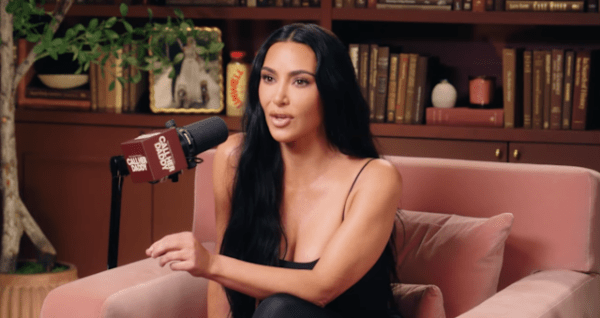
On a recent Call Her Daddy podcast, Kim Kardashian said her next partner would be a “longevity scientist,” reinforcing her well-known obsession with reversing her biological age and reflecting the rise of biohacking culture. Meanwhile, searches for ‘biological age test’ are up 90% in three months, but experts warn that focusing on one number can cause people to overlook meaningful healthy ageing habits.
From intermittent fasting to ice baths, social media has seen a surge in ‘biohacking’ content over the past few years. And as this trend continues to grow and fill our feeds, a new question is on many people’s minds: is ‘biological age’ more important than the date on our birth certificate?
While chronological age is a fixed number (your actual age), biological age is an indication of how your body is aging and is based on your physiological health and the rate of your body cells ageing. For many popular biohacks on social media, the fundamental purpose is to reduce biological age.
In fact, the team at Benenden Health has noticed that searches for ‘biological age test’ have increased by 90% over the last three months. However, Dr Cheryl Lythgoe at Benenden Health explains that while understanding your biological age can motivate positive lifestyle changes, focusing on chasing a number isn’t the answer to healthy ageing: “The fitness and wellness industries often use ‘biological age’ to drive home a ‘new’ diet or lifestyle regime, making claims that you can lower your age without any real scientific rigour behind it.
“The main challenge is that there is no universal medical tool for measuring biological age. Our biometrics and markers are not universal, so our gender, ethnicity, and family history all have an impact, making it a very complex and subjective metric.
“Medically, we would be led by someone’s chronological age as working with someone’s biological age, especially when there is no universal measurement tool could be subjective.


“However, clinically we don’t tend to let an adult’s age drive many clinical decisions. Instead, it is based more upon their presenting metrics.”
That’s why Benenden Health has launched a new self-assessment quiz to help people understand how their current lifestyle is impacting their long-term health and wellbeing. And, to help people focus on these areas that can make a real difference, the experts at Benenden Health have shared three key lifestyle changes that can support healthier ageing.
1. Focus on daily movement, not just the gym
There’s a common misconception that only structured gym routines or intense cardio sessions ‘count’ as worthwhile exercise. However, while frequent exercise sessions, such as weight-lifting, cycling, or team sports, are a fantastic habit for healthy ageing, it’s crucial not to overlook the importance of regular daily movement. When it comes to cardiovascular health and healthy ageing, long periods of sedentary time and inactivity can have a serious impact.
That’s why you should focus on increasing your Non-Exercise Activity Thermogenesis (NEAT), which is all the movement you do outside of formal exercise. You can do this by incorporating small activities into your day, such as marching on the spot while waiting for the kettle to boil, choosing to take the stairs, or swapping a sit-down coffee catch-up for a walk. Ultimately, the primary goal is simply to break up long periods of sitting.
2. Make one small, sustainable dietary change
From keto to apple cider vinegar, there is countless, contradicting guidance about the best diet to follow. What’s more this advice regularly comes from unreliable sources.
Often, these diets can be difficult to follow and often encourage an ‘all or nothing’ mindset, making long-term healthy eating changes more challenging and causing people to abandon their goals entirely.
Rather than attempting a complete overhaul, it’s better to start with a single, manageable change. For example, you could switch from whole milk to semi-skimmed or focus on adding one extra portion of vegetables to your main meal each day. These small changes are far more likely to become permanent habits.
Once this habit is embedded into your daily routine why not try adding another small change – this is known as habit stacking which helps us to not only improve but also continue those healthy habits
3. Replace your stress habits, don’t just manage them
A glass of wine or beer at the end of a hard week is a common ritual for many adults. However, it’s no secret that alcohol can disrupt your sleep and mood, not to mention harm your liver and vital organs. So, if you want to focus on long-term health, it’s a good idea to switch out alcohol, or other potentially harmful habits such as smoking or doomscrolling, for alternative activities that can help you unwind.
The key is to find a new ritual that provides a similar sense of release at the end of a stressful day. This could be swapping an alcoholic drink for a walk in nature, a relaxing bath, or putting on some music. By consciously choosing a healthier way to end the day, you create a new habit that supports your long-term health.