

































Break Free from Credit Labels with Inclusive Lending Options

There was a time when having poor credit would’ve made you feel hapless, as this would’ve limited your borrowing options considerably. However, the modern-day lending market has grown significantly in scope and inclusivity due to the rise of fintech services. This has encouraged lenders to innovate their financial products and services to offer more inclusive options even for those with a bad credit score. While credit scores are still used to determine your creditworthiness by a majority of traditional lenders, this is no longer the norm. Factors like your employment history, repayment capacity, and character are all taken into consideration by inclusive lenders who use a more nuanced approach. This allows them to assess their lending risks based on a variety of factors beyond your credit score that help them customise their credit offerings. As a result, they’re able to offer you more inclusive “More Than Your Score Loans”. This personalised approach directly addresses your specific financial needs.
Below, we discuss how inclusive lending can help you break free from credit labels.
1. What is Inclusive Lending?
Let’s address the elephant in the room: the credit score. The credit score is a reflection of how well a person manages their financial resources and credit options. While it can be improved with a few clever strategies, a bad credit score will be a sore reminder of limited credit availability and poor fiscal management.
As a result, traditional lenders reject applications with a poor credit score. Their loan criteria are often stringent and require a good credit standing. However, with inclusive lending practices on the rise, you shouldn’t have to worry about finding the right borrowing option.
This is because inclusive lending focuses on financially responsible behaviours like borrowing only what you need, planning for repayments before applying for loans, etc. These behaviours, coupled with factors like your income and spending habits, give lenders a more holistic picture of your financial situation.
2. Who Benefits from It?
Inclusive lending is a great option for those with bad credit, who cannot access traditional loan options due to their credit score. However, they aren’t limited to those with bad credit, as inclusive forms of credit can be beneficial for those with a thin credit file, too. These include first-time borrowers and low-income earners who are in the process of building their credit score.
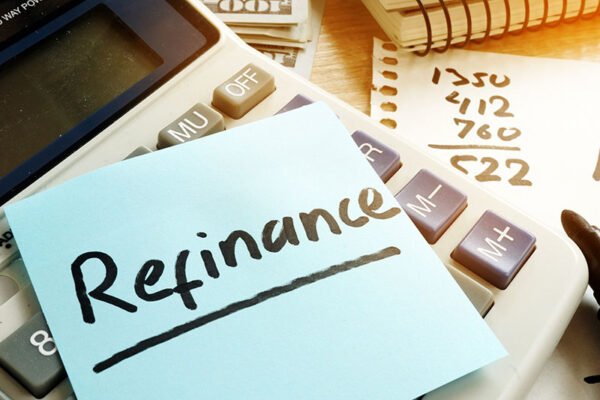

Since inclusive lending options often offer a customised solution to suit your financial needs, you have a better chance of getting flexible repayment plans. With more realistic and affordable loan options, you’ll be able to manage your credit payments better and pave the way to greater financial stability.
As a result, everyone from freelancers and gig workers to those recovering from financial setbacks can take advantage of the numerous benefits of inclusive lending.
3. A Tool of Financial Empowerment
A poor credit score shouldn’t be the end of your story. And thankfully, with inclusive lending practices, it isn’t. Because inclusive lending practices prioritise affordability over credit scores, you now have a chance to borrow more confidently and manage your financial challenges.
Thus, it acts as a tool that empowers borrowers to address their financial needs while helping them develop financial literacy and boost their future stability. Inclusive lending also prevents borrowers with bad credit from falling prey to predatory lending practices.
Making credit more financially inclusive and accessible helps address the needs of bad credit borrowers more effectively. This is reassuring for those struggling to access credit and who have been feeling left out by mainstream lenders.
4. Things to Keep in Mind when Looking for Inclusive Lenders
Inclusive lenders like Salad operate distinctly from traditional lenders in many ways. However, one of the biggest advantages of borrowing from an inclusive lender is that they’re likely to be forthcoming about the details of your loan. This often includes discussing its terms and conditions openly so that you know what you’re signing up for and have no room for ambiguity.
Aside from this transparency and openness, there are other things to look for when choosing an inclusive lender. For example, be sure to check their FCA authorisation, which is always a good place to start.
Consider their repayment terms and interest rates. Most inclusive lenders offer affordable rates and manageable terms to make your loan experience relatively stress-free. This can help you plan for your loan repayments comfortably and alleviate financial stress.
5. Real-Life Impact of Inclusive Lending
If you’ve found yourself in a financially rough spot and need to meet urgent expenses quickly with poor credit, then an inclusive lender can help. It’s often in real-life situations that you truly see the difference an inclusive credit option can make.
Whether it’s to foot an emergency vet bill or an appliance repair, an inclusive credit option can remove the stress from an unforeseen expense. This is because inclusive lending options, especially from direct lenders, often offer their products and services online.
This makes it convenient to access credit, with funds being disbursed quickly, sometimes within the same day as your application. With personalised credit offerings, you ensure that you’re able to manage your loan without feeling burdened.
Conclusion
Credit labels have restricted borrowers from accessing fair credit options for far too long. However, with newer innovations in fintech services and the introduction of regulations to curb unethical lending practices, borrowers with bad credit can rejoice. This is because they have access to greater financial freedom through inclusive lending options, which are transforming the credit landscape for the better.