































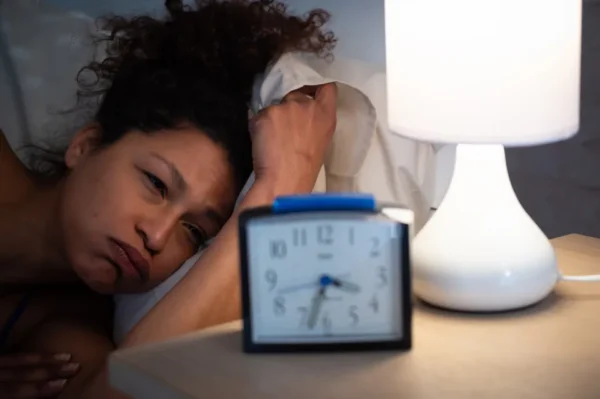
The 15 Minute Sleep Rule is Trending – Does it Work?

Is the 15 minute sleep rule the answer to post-Christmas insomnia? Expertise weigh on the trend

The post-Christmas sleep struggles are apparent in the UK, as searches for the ’15 minute sleep rule’ surged by 1,600% this week alone. Getting back to routine and everyday life is proving hard for many. With disrupted routines, late nights and overindulgence still lingering after the break, many people are turning to quick fixes to help them fall asleep faster, including the popular rule which advises getting out of bed if you’re still awake after 15 minutes to complete a boring task.
Sleep expert and founder of OTTY Sleep, Michal Szlas, says while the rule can be helpful for some, it’s only one part of building better sleep habits. He advises there are simpler, calmer ways to improve sleep without clock-watching.
1. Avoid clock obsession
“Watching the time, whether that’s counting minutes or checking your phone, can actually make it harder to fall asleep. If you’re keeping one eye on the clock, they will never shut and allow you to drift off,” says Michal.
“The idea behind the 15-minute rule is to stop your bed becoming a place of frustration, but it doesn’t need to be taken literally. If you’re awake and tense, it can help to gently reset by sitting somewhere quiet with low lighting and away from a clock until you feel sleepy again, rather than lying there stressing about not sleeping.”
2. Keep nights calm, even if days feel busy
Michal says, “After periods without routine, our days can feel chaotic as they restart, which often carries into bedtime. Try to keep evenings predictable and low-key – dim the lights, avoid stimulating TV, and do the same wind-down routine each night. Familiar signals tell your body it’s time to rest, even when everything else feels out of sync.”
3. Make your bed feel inviting, not pressure
“If you associate your bed with tossing and turning, it becomes harder to relax. Focus on comfort – supportive bedding, the right pillow height, and a mattress that suits how you sleep.” Michal recommends. “When your bed feels genuinely comfortable, your body is more likely to settle naturally rather than feeling like sleep is something you have to force.”


4. Get daylight early, darkness late
According to Michal, “One of the simplest ways to improve sleep is exposure to natural light during the day and softer lighting at night. A morning walk or time near a window helps reset your internal clock, while warm, low lighting in the evening helps your body wind down. This balance can make falling asleep feel easier without any strict rules.”
5. Be kind to yourself about broken sleep
Michal concludes, “Sleep disruption after significant changes to routine is is very common. One bad night doesn’t mean you’ve ‘failed’ at sleeping. The more pressure you put on yourself to sleep perfectly, the harder it becomes. Focus on creating a calm environment and consistent habits, sleep will follow.”