

























Changing the World with Fashion


To many, fashion is a powerful tool for expression, personality and for making a cultural statement. Shopping can bring with it a rollercoaster of emotions. One moment you’re on cloud nine, discovering pieces that fit your perfectly; the next, you’re wading through disappointment. At the end of the day though, finding the perfect items of clothing is finding pieces that make you feel good. All while embracing ones personality or making a statement. In an increasingly tumultuous world, many believe that fashion can change the world, according to new research by Oxfam to mark the end of its Second Hand September campaign. The research revealed that more than half of UK adults have worn clothing to make a cultural statement and 79% see second hand shopping as a force for good. It also revealed the UK’s opinions on the most defining moments of iconic fashion activism with the 1960’s mini skirt, symbolising women’s liberation, topping the list.
Oxfam research revealed that clothes help people express their identity and their values. More than half of UK adults (56%) have worn clothing to make a political, social or cultural statement, according to the research commissioned by Oxfam to mark the end of its Second Hand September campaign and highlight that what we wear has power. The biggest drivers are younger generations, with 66% of under-35s seeing fashion as a force for social change. But it’s not only younger people who believe fashion can make an impactful statement, over a third of over 55s do too.
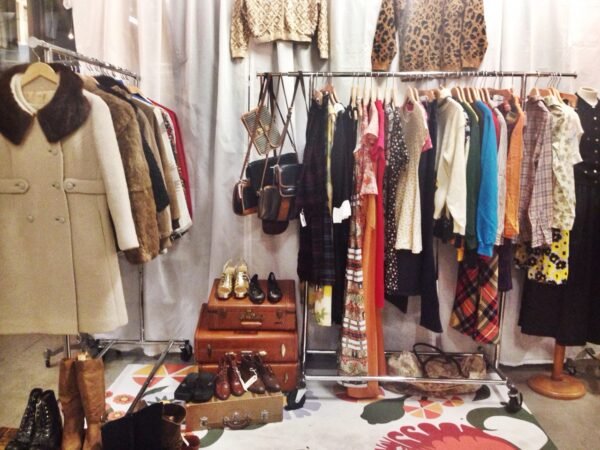
With the sustainable fashion movement flourishing many believe second hand style is at its heart. Almost eight in ten adults believe buying second hand is a way to make a positive difference, while 63% say it helps protect the planet. Nearly half feel their clothing choices can directly shape the world they live in, and 63% say clothes help them express their identity.
It’s refreshing to see how the popularity of second hand style continues to grow with nearly 62% of adults under 45 want to wear more second hand clothing, compared to 42% of over-55s.
By breaking conventions around how women “should” dress, the mini skirt came to represent autonomy, confidence and choice. For many, it was about control – women deciding for themselves how they wanted to look and live. It gave women a new way to express confidence and independence, at a moment when society was changing fast.
Fashion has always had the power to change hearts and minds according to Nina Manandhar, Author of What We Wore – A People’s History of British Style.

“Fashion has always been a mirror of society, a way to show what you stand for, and a tool to push for change” Nina said.
“Historically, movements have used fashion as a way to show strength in unity and to make a statement way beyond a moment in time. From the mini-skirts to slogan T-shirts, Vivienne Westwood, and now to today’s generation embracing second-hand fashion, clothing can really inspire and amplify social impact.”
Scotland’s first Black supermodel, Eunice Olumide MBE supported Oxfam’s campaign by recreating the iconic Black Panther look from the Civil Rights movement, and she said, “Fashion has always been a powerful force to connect communities and drive change,”
“For me, it’s about strength. I recreated a look inspired by the Black Panthers, who fought for the rights of African Americans in the 1960s–80s, using finds from Oxfam. Fashion is choosing to dress for the world you want, making a statement about what you stand for.”
Cultural icons credited by the British public for using fashion to drive change include the Spice Girls, John Lennon, Naomi Campbell and Jameela Jamil. Among designers, Mary Quant, Vivienne Westwood, Stella McCartney, Alexander McQueen, and KatharineHamnett topped the public polls.
Oxfam’s Second Hand September message goes far beyond one month. Second hand fashion isn’t just a trend, it’s about long-lasting change, helping people express their values, reducing waste and supporting a fairer world for years to come. In fact, 43% think second hand fashion could replace fast fashion as the mainstream choice.