








Here’s is Why 4.8 Million Women are Turning to Holistic Treatments to Reduce Menopause Symptoms

Saturday 18th October marks World Menopause Day 2025, an annual event designed to raise awareness of the impact menopause has on women’s physical and mental health. While previous years have focused on improving access to medical treatments such as hormone replacement therapy (HRT), this year’s theme, Lifestyle Medicine, focuses on the growing role holistic and lifestyle-based approaches play in symptom management.
Despite medical understanding and access to treatments having improved, an estimated 9.8 million (62% of peri/menopausal women) still describe their menopause journey as “negative” or “bad”, according to new data from Platinum Spas. For many women, menopause isn’t a single event but a complex and often challenging transition that can last years.
That’s why Platinum Spas conducted a survey of women who are currently (or recently have been) experiencing perimenopause or menopause. The research findings revealed that women are now seeking complementary and holistic support to help them feel like themselves again. Around a third are turning to holistic practices for symptom management (that’s an estimated 4.8 million women) and almost three-quarters (72%) agree that “doctors should be able to prescribe holistic or social-based menopause treatments”.
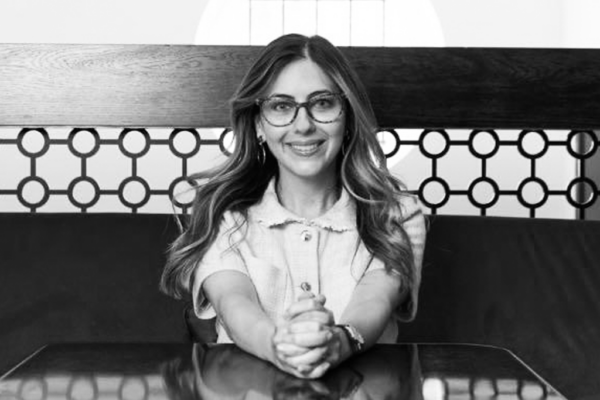
Sarah Gilbertson, qualified Therapeutic Coach for Women in Midlife and Founder of FlourishWell Coaching, said: “Awareness is improving, but many women still think they have to just get on with it. We need care that considers the physical, mental and emotional aspects of menopause.”
Menopause often arrives during a life stage already filled with change. Sarah explains, “Often this period of life coincides with children leaving home, caring for ageing parents, or other major life changes. So it’s not just about hormones, it’s about navigating multiple transitions at once.
“When women are given space to understand what’s happening and choose what genuinely helps them, this stage of life becomes less about coping and more about moving forward with confidence.”

Beyond HRT: why holistic care matters
HRT remains a powerful and often life-changing treatment for many, but it’s not suitable for everyone, and for others, it’s only part of the picture when it comes to symptom management. Theraputic coach, Sarah Gilbertson adds, “Women need a range of options, both medical and holistic, so they can decide what’s right for them. It’s about choice and flexibility, not a one-size-fits-all plan.”
Sarah continues, “The issues I hear most often are broken sleep, brain fog, aching joints and fluctuating moods. They can be exhausting and isolating. Holistic approaches help women pause, reconnect, and listen to what their bodies actually need, which can make the whole experience feel more manageable.”
The 10 most effective holistic therapies (as rated by women)
New survey insights has revealed which therapies women find most effective for easing menopause and perimenopause symptoms:
- Yoga or pilates
- Cold water therapy
- Breathwork
- Meditation or mindfulness
- Supplements
- Hydrotherapy
- Diet changes
- Aromatherapy
- Herbal remedies
- Menopause-specific apps or online communities
Finding what works for you
Women can be impacted by a wide range of symptoms, which may or may not respond to different therapies. Discussing these therapies, Sarah said, “The most helpful therapies are the ones women enjoy and feel they can sustain. Yoga, Pilates and breathwork support both body and mind. Weight training builds strength and protects bone health. Journalling or mindfulness bring clarity. And hydrotherapy, such as hot tubs or simply warm baths, can ease muscle tension and offer much-needed calm.”
Sarah adds, “More women are realising menopause isn’t just something to medicate, it’s a whole-body transition. I often hear women say they want to feel clear-headed, confident, and like themselves again. Holistic approaches like yoga, mindfulness, movement and hydrotherapy can offer practical ways to ease stress, improve sleep and restore a sense of balance day to day.”
World Menopause Day is a reminder that, lifestyle medicine and holistic care are empowering women to take a more active role in their health, finding their own unique way through this natural life stage alongside support from GPs and medical practitioners.