
























Neurodivergent Women Spotlighted in Debut Novel Inspired by Author’s Late Diagnosis

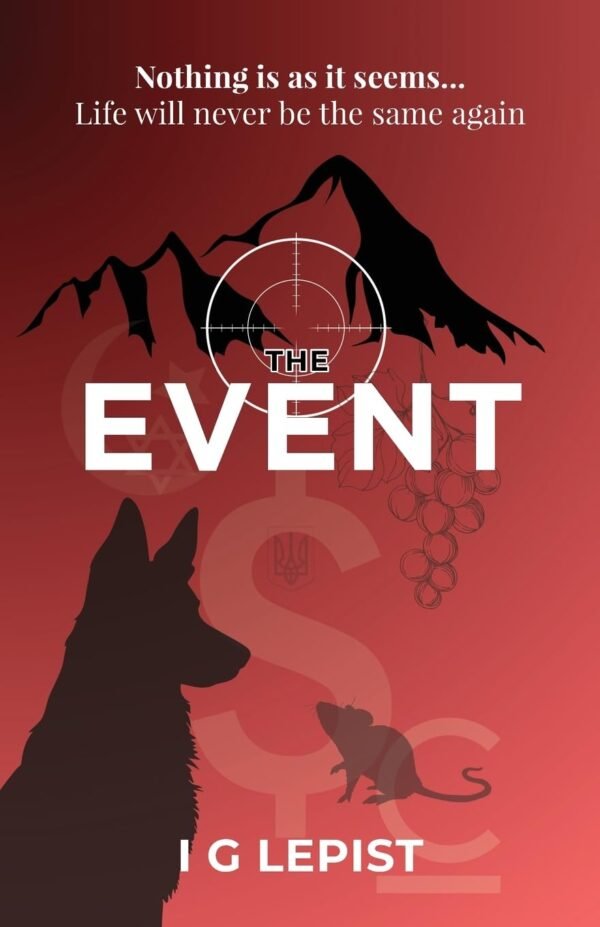
After decades of outward success masking internal strain, debut author Isobel Lepist has placed a high-achieving, neurodivergent woman at the centre of her new novel The Event. Drawing on her own late diagnosis of ADHD and Autism, Isobel set out to explore what it really costs women to keep coping, performing and holding everything together, and what happens when those strategies are no longer enough.
For most of her life, Stockport-based author Isobel Lepist appeared calm, capable and quietly driven. She built a successful international career, leading teams and delivering results. However inside, life often felt overwhelming, exhausting and relentlessly loud.
“I was high functioning on the outside and struggling on the inside. I could perform, I could achieve, but everything cost me far more than it seemed to cost other people.” Says Isobel.
Now 55, Isobel was formally diagnosed with ADHD in November 2023, with clinicians also confirming she met criteria for Autism. The diagnosis reframed her entire life, and became the emotional catalyst for her debut novel.
Isobel says, “The moment I started reading about ADHD and Autism in women, the hairs on my arms stood up. It was like someone had been watching my whole life and taking notes. Suddenly the things I’d blamed myself for weren’t character flaws, they were neurodivergence.”
Isobel’s newly released novel, The Event, is set in February 2023 and largely based in Uzbekistan. On the surface, it is a tense, fast-moving thriller. Beneath that, it is a deliberate act of representation for Isobel.


Isobel tells YCB, “At the centre of the book is a neurodivergent woman who looks like she’s got it all together. She’s successful, respected and relied upon, and yet internally she’s working incredibly hard just to stay afloat. That’s the reality for so many women, and it’s rarely shown honestly.”
That woman is Nisba, a high-achieving professional from Manchester who arrives in rural Uzbekistan under circumstances that are initially unclear. Jewish, ambitious and used to control, she is visibly competent and privately anxious, managing a mind that won’t switch off while navigating unfamiliar territory and escalating danger.
“So often, if a woman is achieving, people assume she’s fine. No one asks what it costs her. Neurodivergent women in particular get very good at masking, because that’s how you survive.”
Nisba’s story unfolds alongside Igor, a 36-year-old Ukrainian war veteran living alone and reluctantly running his late father’s winery. As unsettling incidents fracture his fragile sense of safety, the pair are forced into an uneasy alliance.
“The book is about trust. Who we trust, why we trust them, and what happens when the strategies you’ve relied on no longer work.”
For Isobel, writing Nisba was personal but intentional.
“I didn’t want to write her as broken, or quirky, or inspirational. I wanted her to be whole. Strength and struggle can exist in the same person.”
Looking back, Isobel can trace her neurodivergence to childhood. She could draw exceptionally by six and wrote a book at nine, yet struggled to follow basic classroom instructions unless a classmate explained them.
“I spent years not learning anything because I couldn’t interpret what the teacher meant. When I showed frustration once, I was told children who behave like that end up in prison. After that, any meltdown happened behind closed doors.”
Isobel’s father died suddenly when she was nine. With little emotional support and no framework for processing grief, she masked harder.
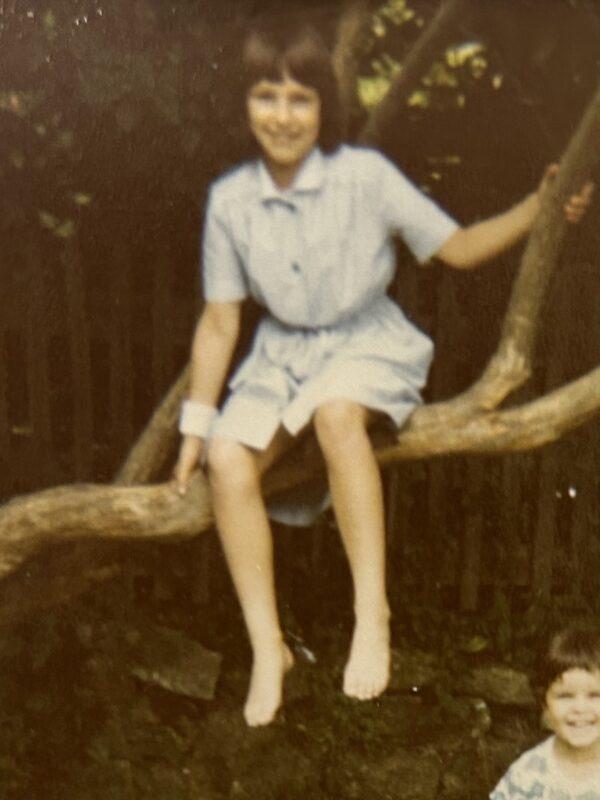
“I acted as if nothing had happened. I genuinely thought my inability to cope was just me being ‘weird’.”
In adulthood, the pattern continued. Isobel went on to build a 25-year career in global energy and logistics, working across the UK, Berlin and The Hague, collaborating with more than 90 nationalities and earning awards for innovation.


“In the workplace, I felt like an alien masquerading. Imagine walking into a global boardroom but internally feeling about 12-years-old. I mirrored people so well that no one saw how much I was burning out.”
Isobel became expert at hyper-performance, working long hours and pushing through exhaustion.
“I didn’t have prioritisation skills, so I just did everything fast and worked harder. I began each day depleted and still aimed to outperform.”
Isobel believes fiction can reach people in ways awareness campaigns often cannot.
“A thriller lets you show what it really feels like. You can put the reader inside someone’s decision-making, their fear, their intensity. You don’t have to explain neurodiversity, you let people experience it.”
Since her diagnosis, Isobel retrained as an ADHD coach and founded At The Millpond, supporting neurodivergent adults, mostly women, to understand their brains and build lives that work for them.
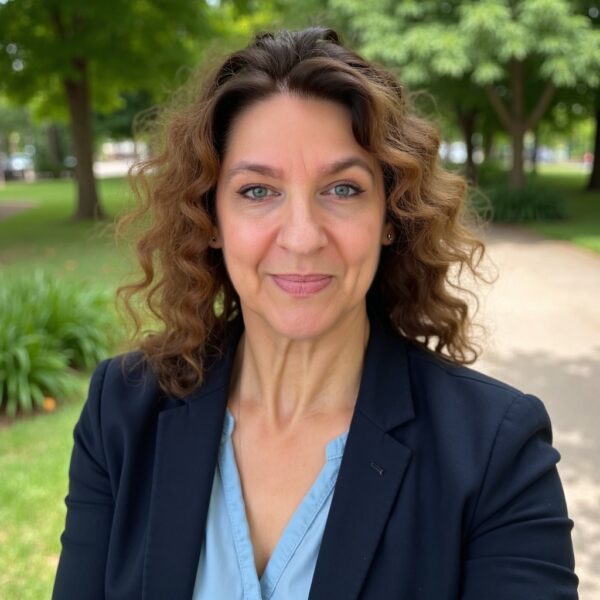
“Many women arrive feeling broken. Once they understand what’s actually going on, everything changes. They stop blaming themselves.”
For Isobel, putting a high-achieving neurodivergent woman at the heart of a commercial thriller was non-negotiable.
“I wanted women like me to finally feel seen. To recognise that if you look like you’re coping, that doesn’t mean it isn’t costing you. And to know they’re not alone.” Isobel says.
The Event is available now on Amazon and at www.IGLepistAuthor.com, and further information about Isobel’s ADHD coaching can be found at www.AtTheMillpond.co.uk.