























Fitness Meets Social Life: Why Wellness Clubs Are The New Nightlife

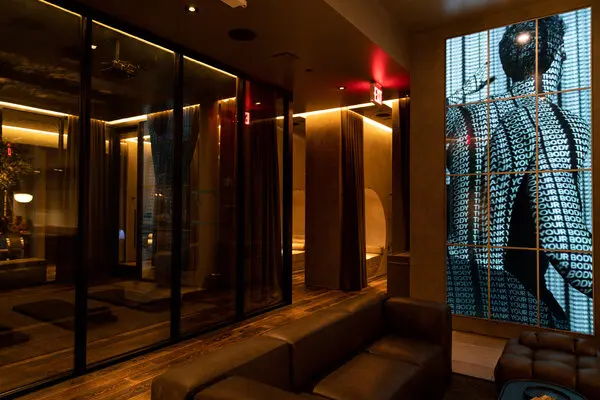
The weekend social scene is quietly transforming across America. Where young professionals once automatically headed to bars and nightclubs, many are now choosing wellness clubs for their Saturday night plans. These health-focused venues offer candlelit yoga sessions, kombucha tastings, meditation circles, and sober dance parties that rival traditional nightlife in energy and community. The numbers tell the story: nearly half of Americans are actively trying to drink less in 2025, representing a 44% increase since 2023. At the same time, U.S. health club memberships hit a record 77 million in 2024, meaning roughly one in four Americans now belongs to a fitness facility.
This shift doesn’t only point to changing drinking habits, but signals a fundamental reimagining of how people want to spend their social time, according to wellness professionals who are witnessing the transformation firsthand.
“We’re seeing people gravitate toward experiences that align with their wellness goals,” says Dr. Kevin Hayavi, Medical Director and Managing Partner at Beverly Hills Physicians, a premier medical group offering comprehensive beauty and wellness services across Southern California. “The pandemic made many people rethink their priorities, and now they’re seeking social connections that support their health rather than work against it.”
This evolution from alcohol-centred nightlife to wellness-focused community spaces indicates a broader cultural shift that’s reshaping how Americans socialise and connect.
What Wellness Nightlife Actually Looks Like
According to Dr. Hayavi, modern wellness clubs are completely reimagining social entertainment from the ground up. Group yoga classes now feature live DJs spinning ambient beats while participants flow through poses under mood lighting. Meditation circles create intimate spaces for genuine conversation, while kombucha bars serve as social hubs where members sip probiotic drinks and connect over shared health goals.
Some venues host ‘sober raves’ – alcohol-free dance parties that bring all the energy of traditional nightlife without the next-day regrets. Fitness classes themselves have become entertainment experiences, with silent disco workouts, themed cycling sessions that feel like concerts, and ‘fitness brunches’ where group activities are followed by healthy communal meals.
“These spaces understand that people still want excitement and community,” Dr. Hayavi notes. “They’re just delivering it through activities that enhance your wellbeing instead of compromising it.”
The social aspect is intentional. Wellness clubs often design their programming specifically to promote the building of connections, to create opportunities for members to bond over shared goals rather than shared drinks.
Why This Shift Is Happening Now
Several key factors are driving Americans toward wellness-centred social experiences:
- Health Consciousness Surge: Younger generations are viewing their lifestyle choices through the lens of longevity and overall wellbeing.
“Millennials and Gen Z are thinking differently about their health span, not just their lifespan,” Dr. Hayavi observes. “They want social experiences that contribute to their long-term wellness rather than detract from it.”
- Economic Shift: The global health and wellness market reached $6.87 trillion in 2025 and is projected to hit $11 trillion by 2034. This massive growth reflects consumer priorities shifting toward wellness investments, including social experiences that support health goals.
- The Sober-Curious Movement: This trend has gained serious momentum, creating demand for social spaces that don’t revolve around alcohol consumption.
- Pandemic Reset: During the pandemic, people spent months reevaluating their habits and discovered they felt better when their social activities aligned with their health goals. The appeal of crowded, poorly ventilated bars diminished for those who had experienced the benefits of outdoor fitness communities and wellness-focused social groups.
How This Trend Is Reshaping Social Connection In 2025
The wellness nightlife movement represents more than a temporary fad, and is in fact fundamentally changing how Americans approach social bonding. Traditional bar culture often centres around shared consumption, but wellness communities build connections through shared activities and goals.
People are forming deeper relationships through group fitness classes, wellness workshops, and mindful social events. The no-alcohol market supports this shift, with projections showing roughly 18% annual growth through 2028, reaching nearly $5 billion. Meanwhile, 21% of U.S. adults planned to participate in Dry January 2025, strongly suggesting a growing interest in alcohol-free socialising.
“When people sweat together in a fitness class or share a mindful moment during meditation, those connections often feel more authentic,” Dr. Hayavi observes. “There’s something powerful about bonding through activities that make everyone feel genuinely good.”
This transformation extends beyond individual choices to create new social norms around how communities gather, celebrate, and connect with one another.
“What we’re seeing is the 2025 wellness boom aligning perfectly with mental health and longevity trends. People are making lifestyle choices based on how they want to feel not just today, but decades from now.” Says Dr. Kevin Hayavi.
“This movement toward wellness-centred socialising points to a maturation in how Americans think about their health. It’s no longer just about avoiding disease but actively optimising their physical and mental wellbeing through every aspect of their lives, including how they spend their social time.
“The communities forming around these wellness activities tend to be more supportive and goal-oriented than traditional nightlife scenes. When your social circle is built around shared wellness values, it creates accountability and motivation that extends far beyond weekend activities into daily lifestyle choices.”