

















Why Are Tennis Bracelets So Expensive?

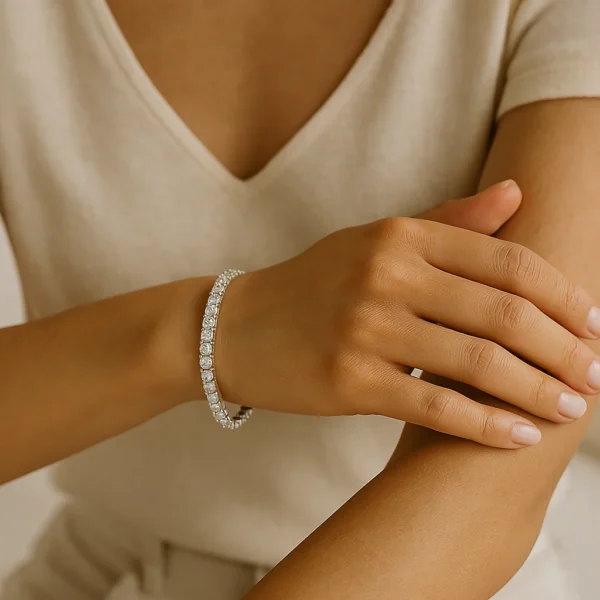
For many years, the tennis bracelet has been a representation of elegance and wealth due to its never-ending row of diamonds or other gemstones set delicately along a sleek metal band. Celebrities, business titans, and fashion-forward people all wear this piece, which goes beyond trends. Given the widespread appreciation for this classic piece, many consumers are left wondering why tennis bracelets cost so much.

Numerous factors, including the brand’s reputation, craftsmanship, design complexity, and material quality, influence the response. In order to help you comprehend the value of tennis bracelets and why they continue to be a sought-after investment in the world of fine jewellery, we will examine each of these factors in detail in this article.
What Makes a Tennis Bracelet Different?

It’s crucial to comprehend how tennis bracelets differ from other kinds of jewellery before looking at the reasons behind their high cost. The consistent placement of diamonds or other gemstones on a thin, flexible chain that fits the wrist perfectly is what makes tennis bracelets unique. Tennis bracelets are made to produce a continuous line of sparkle, giving them a sleek, elegant appearance in contrast to other diamond bracelets that might have bigger, more noticeable stones.
The way the diamonds are set adds to the allure of a tennis bracelet in addition to the diamonds themselves. By allowing the diamonds to move a little, this setting style maximises each stone’s brilliance by producing a constant flow of light. Tennis bracelets are a mainstay in fine jewellery collections because of their versatility, which allows them to be worn for both formal and informal occasions as well as as an everyday accessory.
1. Quality of Diamonds and Materials
Diamonds Are at the Core
The quality of the diamonds is the single most significant factor influencing a tennis bracelet’s cost. Round brilliant-cut diamonds, or occasionally other precious stones like sapphires, emeralds, or rubies, are commonly used to adorn tennis bracelets. The Four Cs—Cut, Colour, Clarity, and Carat weight—are typically used to grade the diamonds used in tennis bracelets. The price of the bracelet will inevitably rise with the quality of the diamond.

- Cut: The diamonds in a tennis bracelet must reflect light uniformly throughout, so a well-cut diamond maximises brilliance. The bracelet’s overall aesthetic appeal is greatly diminished by a poor cut, which causes dullness and diminished sparkle.
- Colour: A scale from D (colourless) to Z (light yellow or brown) is used to grade diamonds. The colour grade of the diamond raises its price. High-quality, clear, white diamonds in the D to G range are found in the majority of tennis bracelets.
- Clarity: This describes how many inclusions or flaws there are in a diamond. Because they don’t have any obvious inclusions, higher clarity diamonds (like VS1 or VS2) are commonly used for tennis bracelets, giving the bracelet a flawless appearance.
- Carat Weight: The price is directly impacted by the diamonds’ total size. Multiple diamonds, each weighing 0.10 ct to 1.00 ct or more, are commonly found in tennis bracelets, which can greatly raise the total cost. The bracelet’s total carat weight is frequently the main determinant of its cost.
Metal Choice
Equally significant is the metal used in the scene. Some tennis bracelets are made of platinum, which is denser and rarer than 14K and 18K gold (yellow, white, or rose), which makes the piece even more costly. Because of their superior feel and increased durability, metals like 18K gold and platinum guarantee that the bracelet will not tarnish or lose its lustre for many years to come.
High-quality diamonds and precious metals are a key component of each bracelet’s cost at and FineDiam, guaranteeing that the pieces will not only look amazing but also hold their value over time.

2. Craftsmanship and Design
Tennis bracelets are frequently created by talented craftspeople who prioritise accuracy and close attention to detail. To set diamonds into a flexible bracelet that will stay consistent and long-lasting, sophisticated techniques are required. To allow the diamonds to move slightly and maximise their brilliance, the links holding them in place must be strong but still delicate.
Handcrafted Elements
A lot of tennis bracelets are made by hand by talented jewellers who secure each diamond or gemstone with delicate prong settings. This raises the overall labour cost because it takes careful attention to guarantee that every stone is positioned and aligned precisely.
- Prong Setting: Often used in tennis bracelets, prongs hold each diamond firmly in place while letting light in from various directions, which intensifies the diamond’s brilliance.
- Invisible Settings: The diamonds on some more expensive tennis bracelets are set so that the metal is concealed, giving the appearance of a continuous row of diamonds. Even more expertise and accuracy are needed for this, which raises the cost.
Design Complexity
Although the idea behind a tennis bracelet is fairly straightforward, skill is needed to create the ideal fit for the wrist. The cost of the bracelet is influenced by its adjustability, flexibility, and weight distribution. Each diamond in a well-designed bracelet will be positioned to catch the light without being too heavy or loose, and it will fit comfortably on the wrist.
Some designers even provide personalised tennis bracelets, letting customers choose the metal, design elements, and diamond size that best suit their tastes. The cost of the bracelet is increased by this degree of exclusivity and personalisation.
3. Rarity and Exclusivity
Tennis bracelets are regarded as a high-end accessory, and their cost is largely determined by their exclusivity. Even though there are mass-produced alternatives, many luxury brands keep their tennis bracelet production to a minimum each year to guarantee that their items stay unique and rare. Naturally, limited supply raises demand and, as a result, price.
This exclusivity is especially noticeable in upscale jewellery stores, where unique pieces that are frequently handed down as family heirlooms are created using rare diamonds and custom designs.
4. Brand Name and Reputation
The brand you choose can have an impact on the cost, just like with any luxury item. Well-known jewellery companies that have a track record of producing exquisite, high-quality pieces demand a higher price for their name and standing. Prestigious brands’ tennis bracelets are more expensive due to their superior craftsmanship, materials, and customer service.
Finediam is able to charge higher prices for tennis bracelets that meet the highest standards of quality and design because of their longstanding expertise in diamond jewellery, UK hallmarking, and outstanding customer service.
5. Market Demand and Trends
Broader trends in the jewellery industry also have an impact on tennis bracelet prices. Tennis bracelets are popular among celebrities and wealthy people because they are traditionally linked to sophistication and elegance. Demand for a piece of jewellery rises along with its price when it gains popularity among powerful people.
Tennis bracelets have also come to represent classic presents in recent years. They are commonly selected as luxury presents for birthdays, anniversaries, and other significant life events, which adds to their high price points. Since many consumers now view diamond tennis bracelets as an investment in emotional value and personal style rather than just a passing fad, the demand for luxury self-purchasing has also contributed to price increases.
6. The Role of Technology in Diamond Sourcing
The diamond market is now more transparent due to technological and sourcing advancements. Nonetheless, the availability of premium diamonds that satisfy particular requirements, whether they are lab-grown or natural, has emerged as a critical determinant of cost.
For those who still desire the glitz of a diamond tennis bracelet without the high price of mined diamonds, lab-grown diamonds in particular provide a more cost-effective alternative. As lab-grown diamonds continue to gain popularity, some companies, like FineDiam, provide reasonably priced, ethically sourced tennis bracelets with lab-grown diamonds so that more consumers can enjoy the luxury of diamond jewellery.
Why Choose a Tennis Bracelet Over Other Diamond Bracelets?

Tennis bracelets are popular among jewellery buyers because they are classic, adaptable, and stylish. They go well with almost any style and can be dressed up or down and worn with formal or casual attire. The endless row of diamonds complements other jewellery pieces like diamond rings or necklaces and is universally flattering.
Their worth comes from their enduring significance as well as from how they look. Tennis bracelets are frequently treasured items handed down through the generations, whether they are inherited or purchased as a personal treat.
Buying a tennis bracelet is an investment in quality, longevity, and personal significance for many buyers, not just the price.
Conclusion: Understanding the Price of Tennis Bracelets
Tennis bracelets are pricey because they provide more than just luxury; they also offer fine craftsmanship, timeless style, and long-lasting value. You are paying for more than just diamonds when purchasing a tennis bracelet; you are also paying for the following:
- The quality and rarity of diamonds
- Expert craftsmanship and design
- Exclusive branding and customer experience
- Long-term value and emotional significance
Even though tennis bracelets can be expensive, it’s crucial to know the price-influencing factors before making the purchase.