
























Millennial Grey is Officially Dead, a Designer Explains What’s Next

Interior designer reveals 5 trends that are aging your home – and what to choose instead
As a new season rolls in, the urge to refresh our living spaces grows irresistible. We naturally look to the latest design movements to breathe new life into our rooms, but not all trends stand the test of time. In fact, some might be actively aging your home.
The shift in what we want for our windows is a prime example of this evolving taste. In the UK alone, “curtains” racked up a staggering 1.4 million searches last month, compared to just 123,000 for “shutters.” That means curtains are being searched for over 11 times more, signaling a massive pivot toward softer, more fluid textures over rigid, dated fixtures.
To help you navigate this changing landscape, Emma Cottrell, Marketing Manager at the luxury Danish furniture brand BoConcept, has revealed the 5 outdated trends currently weighing your interiors down—and the elegant, timeless alternatives to choose instead.
1. Close the curtains on shutters
Plantation shutters, while once a sought-after feature, can now quietly date a home’s interior. They certainly offer practicality for managing light and privacy, but their stiff, uniform look can feel visually heavy in modern rooms, especially those embracing a softer, more relaxed aesthetic. Instead of contributing to a sense of openness, shutters can interrupt the natural flow.
What to choose instead: Embrace the return of elegant, floor-to-ceiling curtains. Opting for lightweight linens or rich, tactile sheens allows natural light to filter through beautifully, adding height, movement, and an effortless airiness to your space.
While Roman blinds are still dominant, full curtains are making a return with a more sophisticated, nostalgic grace.
2. The death of “millennial grey”
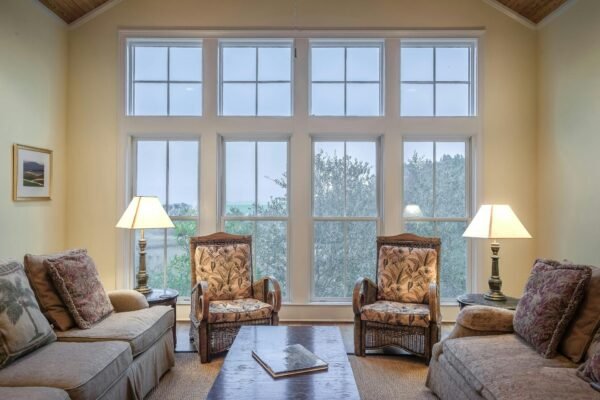
The reign of ‘millennial grey’ is finally over. While it was once the go-to neutral for modern homes, using it everywhere can now make a room feel dull or too sterile.
What to choose instead: Swap out chilly undertones for a palette rooted in warmth. Think rich creams, soft beiges, terracotta, and muted olive greens. These tones instantly make a room feel cozier, more sophisticated, and deeply welcoming.
3. Avoid themed interiors
It’s easy to get sucked into designing a whole room around one look, think farmhouse, minimalist, or industrial. But here’s the thing: those rigid themes can age quickly. The secret is to let your style come out through a mix of influences instead of sticking to a single rulebook.
What to choose instead: The secret is to let your style come out through a mix of influences instead of sticking to a single rulebook. By blending calming neutrals with natural textures, adding a few modern shapes, and sprinkling in your favourite personal colours/accessories, you get an interior that’s truly timeless and feels authentically you, rather than something pulled from a catalogue.
4. Say no to generic wall art
Ditch the mass-produced prints and generic slogan signs, they’re beginning to look outdated.
What to choose instead: Think original paintings, your favourite personal photos, cool finds from your travels, or just objects that mean something to you. When you take the time to really curate what’s on your walls, your interiors stop feeling like a showroom and start feeling authentically yours.
5. Design with intention, not impulse
While filling a room with large or trendy pieces might seem exciting initially, it often results in a space that feels chaotic instead of calm.
What to choose instead: Prioritise classic furniture, impactful lighting, and understated decorative elements that add personality without cluttering the area. The Danish design, for example, is more restrained and thoughtful, emphasising curation over mere acquisition.
Emma adds: “Homes feel more aged when they rely too heavily on trends. What we’re seeing now is a move towards interiors with longevity that feel personal, tactile and calm where furniture and colour palettes are chosen to last, not just impress in the moment.
“The best-looking homes are the ones that actually feel like the people living in them. If you buy good quality furniture, mix up textures, and choose pieces that have a story, you can create a space that feels instantly yours and timeless.”