



























What Today’s Engagement Rings Say About Modern Love

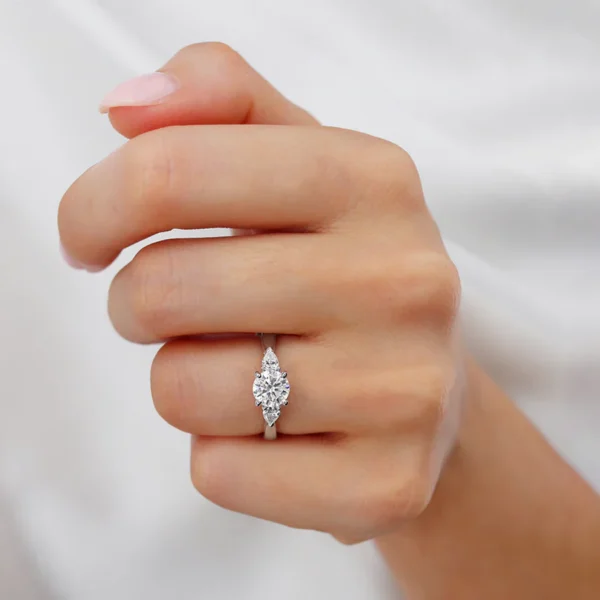
Engagement rings have always been symbolic. But in 2026, what couples choose to wear on their ring finger is saying far more than “yes.” It is reflecting values, lifestyle, ethics, and a growing rejection of mass market traditions in favor of something deeply personal.
Market data shows the global engagement rings industry is still growing, with Europe alone projected to reach more than USD 11 billion by 2028. Yet beneath that growth is a clear shift. Buyers are moving away from uniform diamond solitaires and toward custom designs, alternative stones, and settings that fit how they actually live.
Love is becoming personal again

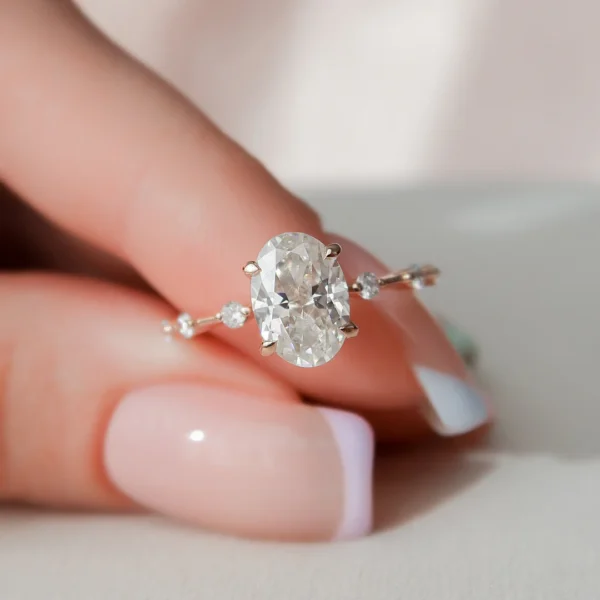
For decades, engagement rings followed a narrow script. Big diamond, classic prongs, familiar brands. Today’s couples are rewriting that script. They are choosing moissanite, moss agate, sapphires, and salt and pepper diamonds not as compromises, but as intentional choices. These stones often carry symbolism, individuality, or ethical appeal that traditional diamonds do not.
This is where brands have found traction. The direct-to-consumer model allows couples to design rings around personal stories rather than preset templates, with settings and stones selected to match lifestyle, values, and budget.
Rather than asking “what should an engagement ring look like,” buyers are asking “what should our ring say about us?”

Settings reflect real life, not just aesthetics
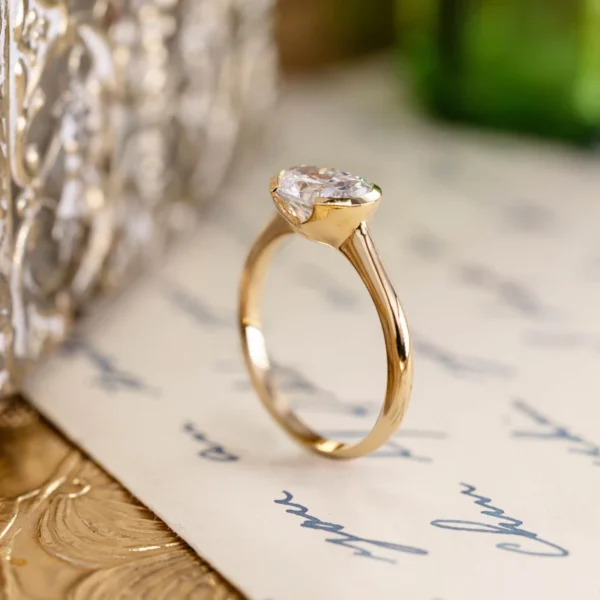
Ring settings are also evolving, and the changes are practical as much as symbolic. Bezel settings are growing in popularity among couples who live active, hands-on lives. They offer durability and security, even if they trade a bit of sparkle for peace of mind. Prong settings still dominate for those who want maximum brilliance, but buyers are becoming more educated about maintenance and wear.

Channel, halo, and micro pave settings appeal to couples who want visual impact without relying on a single large stone. Twist and geometric settings have gained popularity for their symbolism of connection and movement, often inspired by nature rather than tradition.
According to Aurelius Jewelry’s internal design data, customization requests increasingly start with lifestyle questions rather than stone size. How often do you work with your hands? Do you travel? Do you want low maintenance? Do you want the ring to feel subtle or expressive?
The ring is no longer just jewelry. It is a daily object meant to fit real life.
Ethics are no longer optional
Environmental and ethical concerns are no longer niche considerations. Younger buyers, particularly millennials and Gen Z, are actively questioning where stones come from and how they are sourced.
Lab-grown diamonds and alternative gemstones are rising not only because they are more affordable, but because they align with modern values. They offer transparency, sustainability, and a sense of conscious choice without sacrificing beauty.
This trend is reshaping the competitive landscape. Traditional luxury brands still dominate market share, but smaller, design-forward brands are winning loyalty by offering clarity and customization rather than prestige alone.
The business of love is changing

From a market perspective, engagement rings are becoming less about status signaling and more about identity expression.
Jin Grey, a digital marketing and business strategist, sees this shift clearly.
“Consumers are treating engagement rings the same way they treat brands they support,” Grey says. “They want alignment. Values, aesthetics, ethics, and story all matter. Rings that feel generic struggle to compete in a world where personalization is expected.” He adds that online first brands have an advantage because they meet couples where they already research. Social platforms, search, and long-form guides now shape buying decisions more than in-store displays.
What modern love looks like in metal and stone

If engagement rings once symbolized permanence through uniformity, today they symbolize permanence through authenticity. Modern love values intention over tradition. Meaning over size. Fit over flash. Engagement rings are becoming less about impressing others and more about honoring the relationship itself.
That shift is not shrinking the market. It is reshaping it.
Written by Kristine Graf