




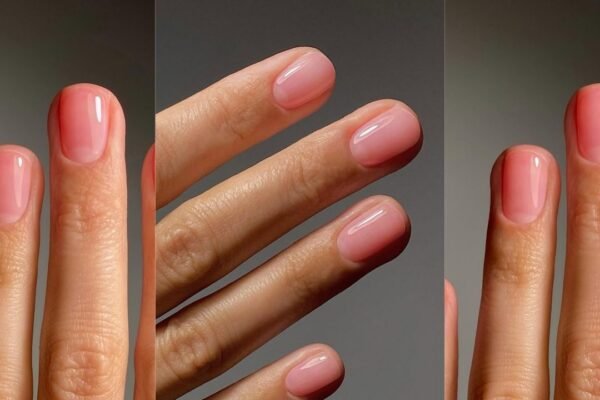





Is “Glass Hair” the New Glass Skin?

Korean beauty’s influence on UK skincare routines is well established, but new Google search data suggests haircare is now undergoing the same shift, with consumers increasingly drawn to K-beauty’s scalp-first routines.
According to Skin Cupid, UK Google search trend data from the past three months shows searches for “Korean hair care products” have risen by 110%, alongside a sharp spike in interest around “glass hair.” Searches for “glass hair products” increased by 400% in the same period, while related queries such as “what is glass hair” and “glass hair treatment” have also climbed, pointing to growing awareness as well as purchase intent.

“We’re seeing haircare follow the exact path skincare did a few years ago,” says Melody Yuan, Founder & CEO of Skin Cupid. “Consumers are becoming more ingredient-literate, more focused on scalp health, and more interested in long-term hair condition rather than quick styling fixes.”
From glass skin to glass hair
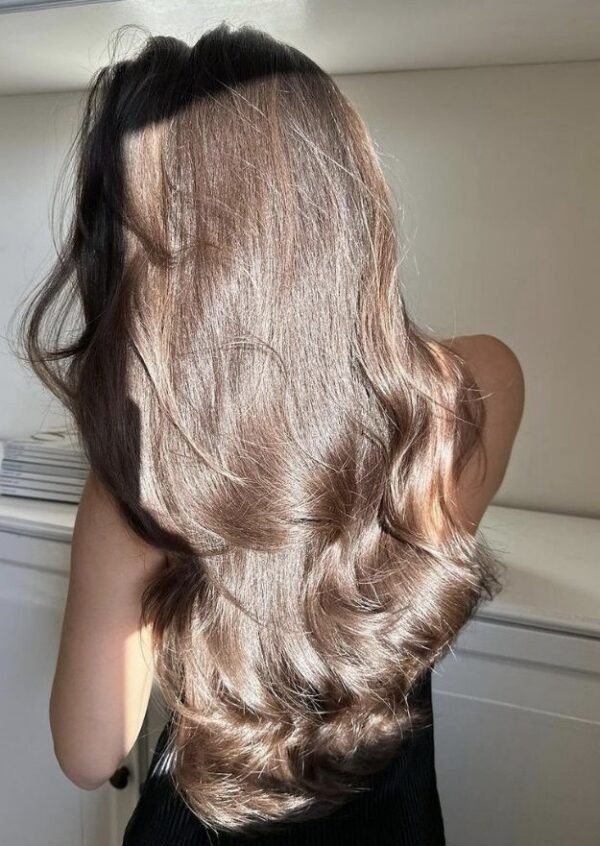
The rise of glass hair, defined by ultra-high shine, smooth cuticles and visibly healthy strands, mirrors the philosophy behind the viral glass skin trend. Rather than relying on styling alone, the look is achieved through layered-care routines that prioritise hydration, scalp balance and hair strength.
Melody says: “Glass hair isn’t really about shine alone, it’s the result of consistent care: healthy scalp, balanced formulas and routines that support the hair over time.”
“This approach sits at the core of Korean haircare, which treats the scalp as an extension of facial skincare. Routines often include gentle exfoliation, low-irritation shampoos and lightweight conditioning treatments, designed to improve hair and scalp health rather than mask damage.”
The clinical turn in haircare
The surge in interest also reflects haircare’s growing clinical influence, as brands increasingly borrow cues from dermatology and skincare science, from barrier support to inflammation control and preventative care. Melody says: “Haircare is becoming more clinical, but in a very consumer-friendly way. People want to understand ingredients and routines without sacrificing the sensory experience.”
Why Korean haircare is resonating now
Melody Yuan of Skin Cupid identifies three key reasons Korean haircare is gaining traction in the UK:
- Ingredient-led formulas – Consumers are increasingly searching for haircare with skincare-typical ingredients such as ceramides, peptides and collagen
- Scalp-first routines – A shift away from heavy styling products towards tonics, exfoliators and low-pH shampoos
- Built-in credibility – Korean beauty’s reputation for research-driven innovation aligns with demand for high-performance haircare
Many glass hair-related search terms are currently marked as “breakout”, suggesting rapid growth rather than a short-term spike. “When we see ‘breakout’ search terms around haircare, it usually signals a category shift,” it’s not just curiosity; it’s people actively looking to change how they care for their hair.” Says Melody.
Haircare’s next evolution
As beauty consumers become more informed and selective, Skin Cupid expects haircare to continue following skincare’s trajectory with more considered routines, smarter formulations and a stronger focus on prevention over correction.
“K-beauty changed how people think about skin,” says Melody. “Now we’re seeing that same mindset applied to hair and Korean haircare is leading that next phase.”