
































Dealing with Hot and Cold Flushes: Advice for Menopausal Women

One moment you’re burning up, the next you’re reaching for a blanket – this can be an all too familiar tale for many women during menopause. The reality is that hot flushes and cold spells are among the most disruptive symptoms of menopause, but also many women don’t realise just how common or persistent they can actually be until they’re having them.
But what can be done about this? Here, we’ve taken a closer look at the situation and offered some practical solutions on how to handle menopausal temperature regulation.
What Exactly Causes Hot and Cold Flushes?
To paint a clearer picture of how widespread this can be as a menopause symptom, a recent study from thermal clothing retailer Heat Holders showed that 79% of menopausal women in the UK said they struggle with temperature regulation at home — including hot flushes and cold extremities. Moreover, nearly a fifth (17%) said they’ve had issues every single day since they first began experiencing menopause symptoms and 25% said they had them ‘most days’.
These temperature swings can be linked to hormonal changes, particularly the drop in oestrogen, which affects how the body regulates heat. This can result in sudden vasodilation (widening of blood vessels), causing the intense warmth and sweating of a hot flush.
In other moments, especially when oestrogen levels are unstable, cold extremities and chills can set in.
Support Comes in Layers
An effective approach is to wear easy-to-take-off layers, have spare clothes nearby, choose light, natural fabrics, or simply find your own ‘temperature bubble’ in shared spaces. All these can go a long way in regulating your own temperature.


Rethink What and When You Eat
Certain foods, such as spicy dishes, caffeine, or alcohol, can trigger or exacerbate menopause symptoms like hot flashes. A well-balanced diet, including eating smaller meals throughout the day instead of heavy dinners can also help stabilise your body temperature. Staying well-hydrated is key too, especially if night sweats are a problem.
Keep the Conversation Open at Home
Temperature disagreements can be a real flashpoint, especially in shared households where one person’s too hot, and another might be reaching for a jumper. If you’re experiencing sudden temperature changes, it helps to be open about what’s going on.
A quick conversation about your symptoms can prevent confusion, reduce frustration, and make it easier to agree on small adjustments, like who controls the thermostat or how to layer up comfortably indoors.
Create a Comfortable Sleep Environment
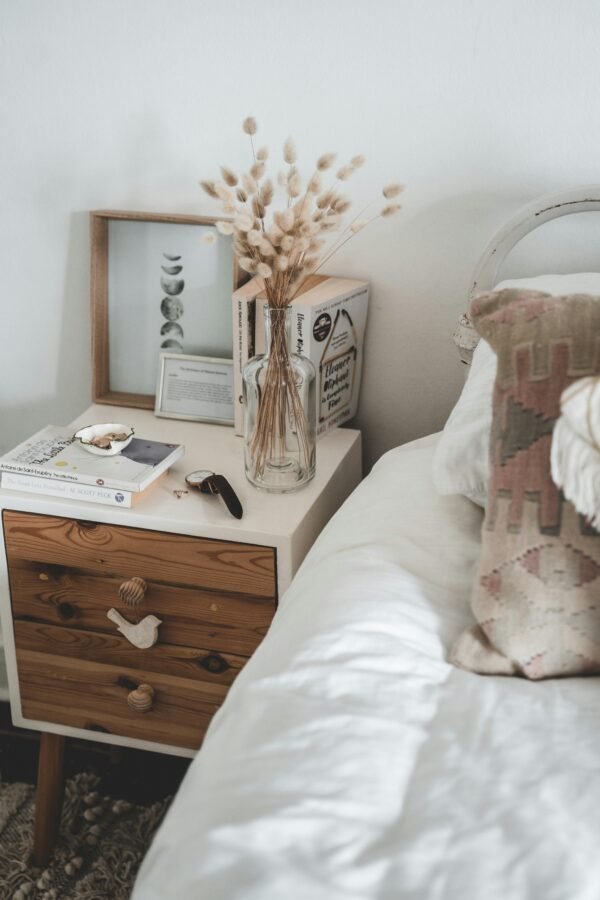
Night sweats can make restful sleep feel impossible, so try moisture-wicking bedding, lighter duvets, and keep a fan or glass of water nearby. If chills follow later in the night, having a thermal blanket or socks on hand can help ease the discomfort without fully waking you up.
Move Your Body, Gently
Exercise might be the last thing you feel like doing during a hot flush, but regular movement can actually help regulate temperature and reduce the severity of symptoms over time. Low-impact options like yoga, swimming or walking are ideal – just avoid overheating and give yourself time to cool down properly afterwards.
The Right Support
Hot flushes and chills can be exhausting, but you’re not alone, and you don’t have to just push through. With a few thoughtful strategies and the right support, you can take back a bit of control over the daily ups and downs.