























Kids Need More Zzz’s: How a ‘Sleep-Friendly’ Bedroom Helps Kids Get More Rest


A new study by Brown University tracked the sleep patterns of 102 primary school children over the course of a week. The researchers found that while 86% of parents believed their primary age children were getting enough sleep, only 14% of those children actually met the 9–12 hours recommended by experts. We worked with Cosybunks and Founder Yoshi Kurihara suggests that one of the factors could be bedrooms and sleeping arrangements that aren’t conducive to restful sleep. Yoshi Kurihara says that while overtiredness is on the rise, it may be time to rethink bedtime routines—starting with the bedroom itself.
Yoshi says: “Sleep is one of the most important parts of a child’s well-being, yet it’s often the first thing that gets disrupted. Parents spend so much time managing routines and schedules, but the room itself plays a huge role in how easily children fall and stay asleep. When a space feels warm, calm and inviting, it naturally encourages rest.”
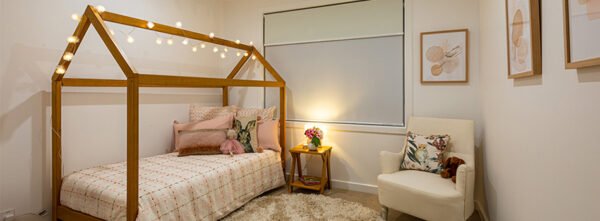
“What we often see is that children resist bedtime because their rooms are overstimulating or uncomfortable. Small changes like softer lighting, breathable bedding, and a cosy sleeping nook can completely shift the mood. A mid-rise bed, for example, can create a safe little world of its own—one that children will want to climb into at the end of the day.” Yoshi recommends.
A well-designed bedroom grows with the child. It gives them comfort now, but also flexibility later. From under-bed storage that keeps clutter out of sight to furniture built for both play and rest, every detail helps create the kind of environment where sleep comes easily and naturally.
Here’s what parents can do according to Yoshi, to make their kids’ bedrooms more sleep-friendly:
Make comfort the focus: Choose beds and mattresses that are designed for both support and softness. A comfortable bunk setup encourages kids to settle in happily each night.

Keep things calm and uncluttered: Use built-in drawers or underbed storage to tidy away toys, books and clothes. A clear, organised room helps quiet the mind before sleep.
Layer soft lighting: Replace harsh overhead lights with warm bedside lamps or fairy lights to signal bedtime gently. Soft lighting helps children unwind more easily.
Add a sense of security: Curtains, canopies, or high-backed bunks can make the space feel snug and enclosed. These are especially great for little ones who sleep better with a sense of safety.
Create consistency: Keep favourite blankets or cushions nearby, and encourage a short nightly routine like reading or quiet chat time to make bedtime something they look forward to.