

























The Real Cost of Sleep Debt: Can Sleep Trackers Really Help?

With the launch of the Apple Watch Series 11 yesterday (19th September), sleep experts reveal that searches for ‘orthosomnia’ are on the rise

The global sleep tracking devices market is set to hit upwards of $58 billion by 2030. From Oura Rings, Garmin, Fitbit, and the latest Apple Watch Series 11 launching this week, over a quarter of UK adults track their sleep using smart devices. With millions of adults relying on sleep trackers to help them understand their nightly habits, James Wilson, sleep expert at Mattress Online explores the implications of sleep debt, trackers, and the vicious cycle of sleep tracking.
The true cost of sleep debt

Sleep deprivation costs the UK economy £40bn every year, with more than 200,000 lost working days. Lack of sleep has a direct impact on cognitive function, affecting our attention span, focus, memory, and concentration – all of which are crucial to get us through the working day. Sleep deprivation can also have a knock-on impact on our ability to control emotions and vice versa. Research shows that sleep and emotion influence each other bidirectionally, with good emotional regulation supporting better sleep and poor regulation leading to stress and disturbances.
The consequential emotional impacts of poor sleep can also lead to wider issues when it comes to romantic relationships, research shows. A study published in the Journal of Social and Personal Relationships showed that poor sleep quality led to increased feelings of anger, which reduced relationship satisfaction.
Can sleep trackers help?
With almost one in five adults not getting enough sleep, it’s unsurprising that so many of us turn to devices and tech, which promise to help us take control of our rest. According to James, sleep expert at Mattress Online, tracking your sleep can be beneficial for those focusing on wider trends:
“Trackers can be useful as an engagement tool for someone who is struggling to understand their sleep and the impact it has on their health. For good sleepers, trackers can be helpful as they reaffirm their good sleep and leave them feeling positive about what they are doing”.

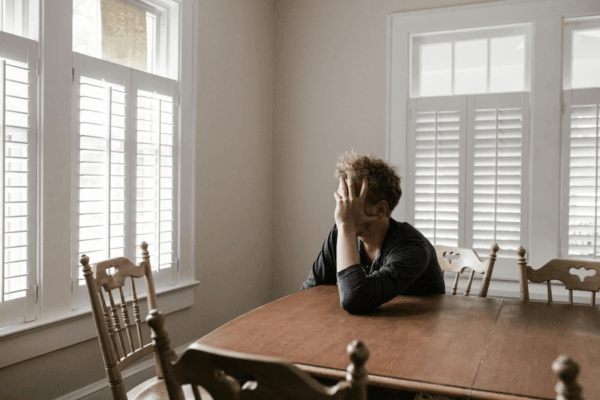

James also warns that there are limitations on the positive impact of sleep trackers, “Poor sleepers are given the impression that the tracker will give them an answer to their sleep issue, when in fact, they are a measurement tool that can give us an understanding of our sleep. When a tracker tells you you’ve had a bad night, even if you feel fine, that negative feedback can become the very thing that keeps you awake the following night.”
Orthosomnia is a term used to describe those who become obsessed with monitoring their sleep tracker data. Data uncovered by Mattress Online shows that searches for the term originally coined by academic researchers in the US are up by over 5,000% in the past five years.
Approaching sleep trackers with balance
James says, “If you have a pragmatic relationship with data, and data reassures – whether good or bad – and you can use the data without it impacting your emotional wellbeing, then a sleep tracker could be helpful – and particularly so if you measure things like heart rate, heart rate variability and temperature – all of which the trackers are generally better at tracking.”
“Trackers should inform, not dictate. Use them to build awareness, but don’t let daily scores define how you feel about your sleep.” James concludes.